
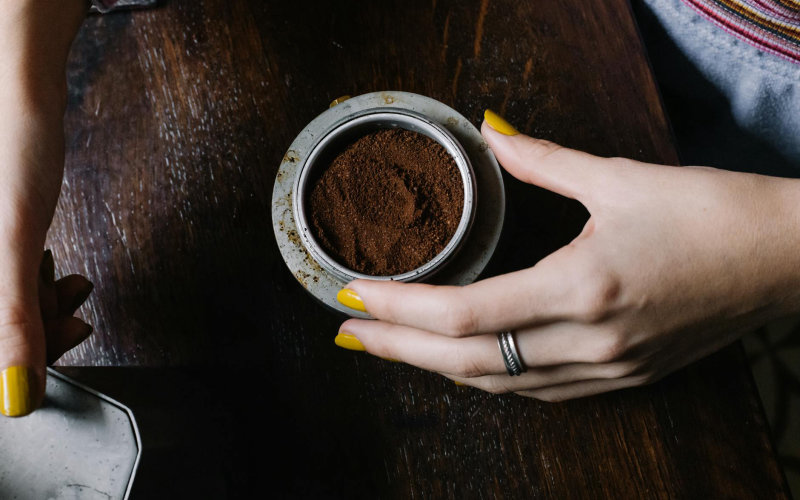

Hey Posse! Okay, I have to tell you something kind of embarrassing.
Last spring, I dragged my oak side table across the hardwood floor while rearranging my living room, and I left this UGLY set of scratches right across the top. We’re talking four inches of visible gouges, light enough to be superficial but deep enough to catch the light every single time I walked past. I priced out a professional refinishing job — $200 minimum. For a scratch. No thank you.
So I went down a rabbit hole, tried a few things, and landed on something so ridiculously simple that I almost didn’t believe it would work. Spoiler: it WORKED. And it started with the coffee grounds sitting in my French press.
Why Coffee Grounds Actually Work on Wood
This isn’t some Pinterest fairy tale. There’s real science behind it.
Coffee grounds are naturally rich in tannic acid, which is the same compound found in wood stain. When you work them into a scratch, the tannins essentially re-pigment the exposed raw wood fiber, bringing the color back closer to the surrounding finish. It’s not a perfect fill — it won’t fix a deep gouge where the wood fiber is actually crushed — but for surface scratches and light scuffs? It’s genuinely impressive.
The other thing worth knowing is that used coffee grounds have just enough moisture and fine grit to act as a mild abrasive paste. So you’re not just staining, you’re also very lightly polishing the area around the scratch, which helps the whole repair blend together. Works best on medium-to-dark wood tones like walnut, oak, cherry, and mahogany. Lighter woods like maple or pine? Less effective, but still worth a shot.
What You’ll Need (Probably Already in Your Kitchen)
Seriously, the supply list is almost insulting in how simple it is.
Used coffee grounds (about 2 tablespoons per repair area), a small bowl, a soft cloth or old t-shirt cut into rags, a cotton swab or old toothbrush for detail work, clean water, and a dry microfiber cloth for buffing. That’s it. No sanding blocks, no stain pens, no $40 scratch repair kits from the hardware store.
One thing I WILL say. make sure your coffee grounds are cool and damp, not dried out. Grounds from that morning’s brew are ideal. Dried grounds from yesterday are less effective because they’ve lost some of that tanic moisture content that makes the whole thing work.
Prep the Surface First (Don’t Skip This)
Before you touch those grounds to your furniture, you need a clean surface.
Wipe down the scratched area with a barely-damp cloth to remove dust, wax buildup, and oils. Then let it dry completely, maybe 5 minutes. If you’ve got an old piece that’s been waxed heavily for years, give it a quick wipe with a little white vinegar diluted in water to cut through that buildup. I made the mistake of skipping this step the first time I tried this method, and the grounds just slid around on top of the wax instead of penetrating the wood. Learn from me.
Applying the Coffee Grounds: The Actual Technique
Now here’s where most guides get this part wrong. They tell you to just rub the grounds in. That’s too vague and it wastes your grounds.
Here’s what actually works. Scoop about a tablespoon of used grounds into a small bowl. Press your fingertip or the flat edge of a butter knife into the grounds to create a small packed clump. almost like a paste, and then work it directly into the scratch using small circular motions. Really press it IN. Don’t just skim the surface. You want those tannins making actual contact with the exposed wood.
Let it sit. This is the step everyone rushes. Leave the grounds on the scratch for at least 10 to 15 minutes, longer if you’re dealing with a deeper scratch or very light wood. I usually let mine sit for 20 minutes while I drink another cup of coffee, which feels deeply appropriate.
After it sits, use your cotton swab or toothbrush to work the grounds gently back and forth along the scratch one more time before removing. This second pass pushes any remaining pigment into spots you might have missed on the first go.
Buffing, Checking, and Repeating
Remove the grounds with a clean, slightly damp cloth using light wiping strokes. not scrubbing. Then dry the area immediately with your microfiber cloth.
Step back and look at it in natural light. Nine times out of ten, you’ll see a significant improvement already. The scratch will be darker, closer to the surrounding wood tone, and much less visible. But here’s the honest truth: one round rarely gets you to 100% on deeper scratches. That’s completely normal.
Repeat the whole process, apply, wait, buff. two or three more times if needed. Each pass deepens the color a little more. By round three, I’ve had scratches that basically disappeared. By round two on my oak table, I was down to about 20% visibility, which at that point only I could find because I knew where to look.
Sealing the Repair So It Lasts
So you’ve done the coffee treatment and you’re happy with the result. Don’t stop there.
The tannin pigmentation from the grounds is not a finish, it will fade and wash out over time if you leave it bare. Once you’re satisfied with the color match, apply a thin layer of furniture wax or a dab of mineral oil over the repaired area and buff it out. This seals the pigment in and protects your work. I use Howard Feed-N-Wax, which runs about $12 at most hardware stores and lasts forever.
And yes, you’ll want to reapply occasionally. maybe every few months if that surface gets regular use.
What I’d Do If I Were Starting Right Now
Skip the $40 scratch repair kit. Seriously. I’ve tried Guardsman, Old English, and a few others, and for light-to-medium surface scratches on darker woods, coffee grounds match or beat them every single time, and obviously cost nothing.
The one honest caveat: if your scratch goes deep enough to feel like a groove under your fingernail, coffee grounds alone won’t fully solve it. You’d want to combine this method with a matching wood filler, let the filler dry, then do your coffee treatment on top to blend the color. But for 80% of the everyday scratches that most of us are dealing with? This afternoon project genuinely works, and you’ll feel like an absolute genius when it does.
Go brew a pot, drink the coffee, and fix your furniture with what’s left.
FAQ
Does this work on all wood finishes?
Best results come from wood with a penetrating oil or wax finish, or older pieces where the topcoat has worn thin. Thick polyurethane finishes can block the tannins from reaching the actual wood. you may still see some cosmetic improvement, but the effect will be less dramatic.
What if the coffee grounds make the wood too dark?
Buff immediately with a dry cloth and don’t let them sit as long on the next pass. The darkening effect builds gradually, so you have control. Start with shorter sit times, 5 minutes. and work up.
Can I use instant coffee instead of grounds?
You can, but it’s less effective. Instant coffee dissolves too quickly and doesn’t have the same abrasive-paste consistency that helps work the tannins into the wood. Used grounds from brewed coffee are genuinely the better option here.
Photo by Meruyert Gonullu on Pexels