
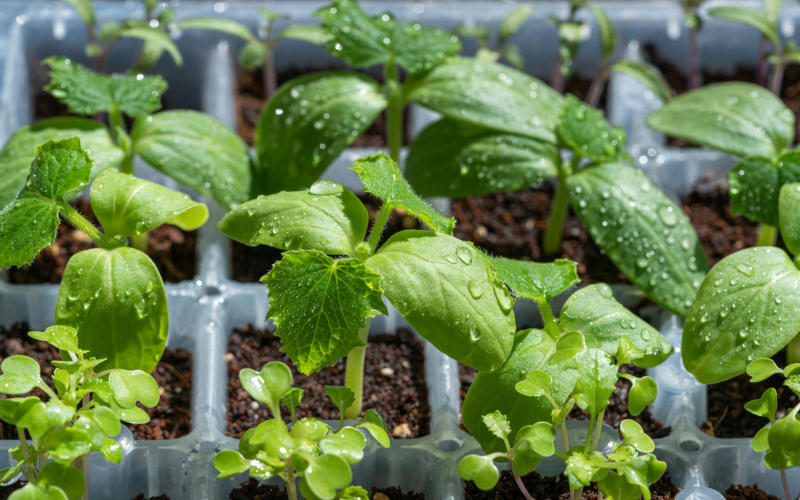

I killed my first three tomato plants. Just… completely murdered them. Overwatered, under-sunned, planted in soil so compacted it basically had the texture of sidewalk concrete. That was 2011. I was working with maybe 180 square feet of actual usable space in a narrow row-house backyard in Philadelphia.
Twelve years and a lot of dead plants later, I now grow enough vegetables every summer to feed my family from June through September and stock the freezer going into fall. All of it from a backyard most people would call “too small to bother with.” So if you’re staring at your little patch of urban ground right now wondering whether it’s worth attempting—it absolutely is.
This guide is everything I wish someone had handed me back in 2011. No fluff, no condescension, just the real stuff.
First, Figure Out What You’re Actually Working With
Before you buy a single seed packet, spend one full day just watching your backyard. Seriously. Take notes on which spots get sun and when, because this one factor determines almost everything else.
Most vegetables need at least 6 hours of direct sun daily. Tomatoes and peppers want 8+. Lettuce and spinach can scrape by on 4. If your yard gets choked with shade from a fence, a building, or that massive oak your neighbor refuses to trim—you’re not doomed. You’re just limited to shade-tolerant crops.
And measure your space. Actually get out there with a tape measure. A 4×8 foot raised bed (32 square feet) sounds almost laughably small, but in the hands of someone growing vertically and succession planting, it produces genuinely ridiculous amounts of food.
Raised Beds vs. In-Ground: The Decision That Changes Everything
Urban soil is often terrible. I mean really bad—compacted, possibly contaminated with old paint or construction debris, stripped of any useful biology. A 2019 study from Cornell’s Cooperative Extension tested 245 urban garden plots in New York City and found roughly 35% had lead levels above the EPA’s residential soil action level of 400 ppm.
Raised beds sidestep this problem entirely. You fill them with your own mix, you control everything, and you can start growing clean food immediately without years of remediation work. A standard cedar raised bed from somewhere like Gardener’s Supply Company runs about $80-$150, or you can build one yourself for under $40 using untreated 2×10 lumber.
But if your soil tests clean (your local cooperative extension office will test it for roughly $15-$25), in-ground growing is cheaper and honestly holds moisture better through hot summers. So test first, decide after.
Choosing What to Grow (And Being Brutally Honest About It)
Grow things you actually eat. I know that sounds obvious. But every year people plant eggplant because it “seemed cool” and then stand in their yard in August holding an eggplant they have absolutely no idea what to do with.
For beginners working small spaces, here are my honest top picks: cherry tomatoes (Sungold is almost impossible to kill and tastes incredible), zucchini (one plant produces more than most families can consume), green beans, and salad greens. Herbs too—basil, chives, parsley. They’re absurdly expensive at grocery stores and stupidly easy to grow yourself.
Avoid starting with corn (massive space hog), watermelon (same), or broccoli if you’re somewhere with hot summers. These are beginner traps, plain and simple.
Soil: The Part Most People Completely Skip Over
Bad soil is why most beginner gardens fail. Full stop.
For raised beds, a mix of 60% topsoil, 30% compost, and 10% perlite or coarse sand creates a texture that drains well but still holds moisture—the sweet spot for vegetable roots. Mel Bartholomew’s “Square Foot Gardening” method (first published 1981, still genuinely useful) recommends an equal-thirds mix of vermiculite, peat moss, and blended compost, and that works beautifully if you can swing the cost of vermiculite.
Feed your soil with compost every season. Your plants aren’t just consuming nutrients—they’re living inside a biological system. Keeping that system alive with organic matter is what separates a garden that thrives in year three from one that just limps along.
Watering Without Overdoing It
Here’s the thing: more plants die from too much water than too little. Roots need oxygen, and waterlogged soil suffocates them.
The finger test is unglamorous but reliable. Stick your finger two inches into the soil. Dry? Water. Damp? Leave it. Simple.
If you travel a lot or you’re just forgetful (no judgment—life is chaotic), a drip irrigation system with a timer costs around $35-$60 and is honestly one of the best small investments you can make in an urban garden. I set mine up in May and barely think about watering until September.
Going Vertical to Multiply Your Space
This is where small-space gardening gets genuinely exciting. Vertical growing can effectively triple your growing area without adding a single square foot of ground space.
Cucumbers, pole beans, peas, and even certain squash varieties climb happily up trellises. A 6-foot cedar trellis against a fence or wall transforms dead vertical space into productive real estate. I grow Spacemaster cucumbers up a $12 bamboo trellis attached to my back fence—that one trellis churns out more cucumbers than I know what to do with every year from late July onward.
Containers stacked on shelving, wall-mounted planters, even an old pallet painted and mounted vertically—all of it expands your growing surface dramatically. Don’t think flat. Think up.
The Schedule That Actually Makes It Work
Timing is wildly underrated by beginners and borderline obsessed over by experienced gardeners. There’s a reason for that.
Your USDA hardiness zone sets your planting calendar. Zone 6b (Philadelphia, where I got my start) means last frost around mid-April, so tomato transplants go in early May. Zone 9b (Los Angeles) gardeners can plant practically year-round. Look yours up at the USDA Plant Hardiness Zone Map—takes 30 seconds and saves a lot of heartbreak.
Start seeds indoors 6-8 weeks before last frost for tomatoes and peppers. Direct sow beans and squash after frost danger passes. And don’t sleep on fall crops—spinach, kale, arugula planted in late August gives you a solid second harvest before winter shuts everything down.
Bottom Line
Here’s something I’ve never actually seen written anywhere else, and I think about it often: the real secret to starting a vegetable garden in a small urban backyard isn’t technique. It’s expectation calibration. Most beginner guides promise abundance, and abundance does come—but not in year one. Year one is tuition. You’re buying information about your specific microclimate, your soil biology, your own attention habits. The gardeners who quit after one season were measuring success wrong. They were measuring food. They should’ve been measuring what they learned. Because the person who grows three sad tomatoes in year one and takes notes on why is going to grow 40 beautiful ones by year three. That’s the real investment.
Frequently Asked Questions
How much does it cost to start a vegetable garden in a small backyard?
A basic 4×8 raised bed setup—frame, soil mix, seeds, and simple tools—runs $150-$250 upfront. After that, annual costs drop sharply to maybe $30-$50 in seeds and compost. The payback in actual food is usually faster than people expect.
What vegetables grow best in small spaces?
Cherry tomatoes, lettuce, radishes, green onions, herbs, and pole beans are genuinely ideal for tight spaces. They produce high yields per square foot and don’t demand much horizontal room.
Do I need special tools to start?
Not really. A hand trowel, a garden fork, and a decent watering can or hose with an adjustable nozzle covers most of what you’ll need. Don’t buy the $400 tool set. Start simple.
What if my backyard gets too much shade?
You’ve still got options. Leafy greens like spinach, arugula, kale, and Swiss chard handle partial shade better than most crops. Some herbs—cilantro, parsley, mint—actually prefer it. Shade isn’t a dealbreaker. It’s just a filter on what you grow.
Photo by Frank Schrader on Pexels