
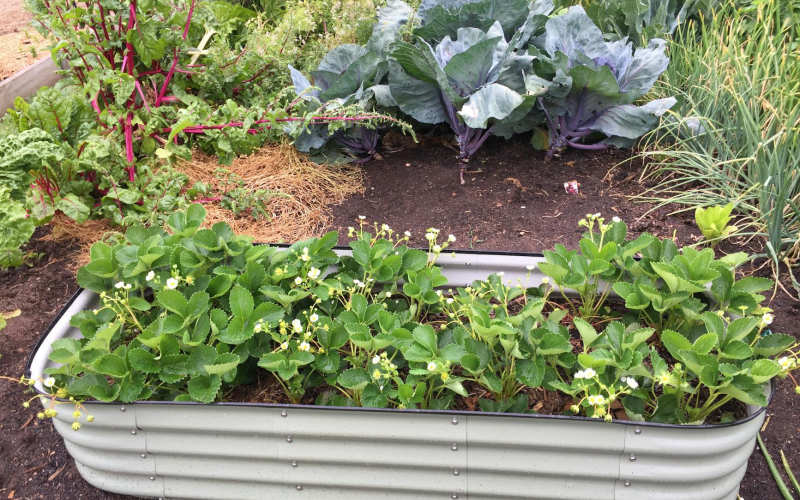

I killed my first garden. Completely. Thirty-six tomato seedlings, two rows of zucchini, enough basil to stock a small Italian restaurant—all of it dead by July because I shoved seedlings straight into the concrete-hard clay behind my house and figured nature would handle the rest. That was 2011. I’ve learned a thing or two since then (pun very much intended).
The question new gardeners ask me more than anything else is some version of this: raised beds or just dig into the ground? And honestly? It’s exactly the right place to start, because that one decision shapes everything that follows—your budget, your harvest, how much your back hates you by September, and whether you’re still at it come year two.
There’s no single correct answer. But there is a better one for most beginners. So let’s get into it.
The Real Cost Difference (Not What You Think)
Yes, raised beds cost more upfront. Nobody’s hiding that. A single 4×8 cedar kit runs $80-$150, and then you need to actually fill the thing. A proper soil mix—roughly one-third compost, one-third peat moss or coconut coir, one-third vermiculite, which is Mel Bartholomew’s Square Foot Gardening recipe—adds another $50-$120 depending on where you live.
So before you plant a single seed, that first 4×8 raised bed might set you back $150-$270.
In-ground? Your startup costs are basically labor plus maybe a $15 bag of compost. That’s genuinely it. If your soil isn’t total concrete (more on that in a moment), you can get planting for almost nothing.
But here’s where the math gets interesting over 3-5 years. In-ground beds need annual amendments, tilling, and ongoing weed control. The National Gardening Association estimated in 2022 that average American gardeners spend around $70 per year on weed management alone. Raised beds, once you’ve got good soil down and a decent layer of mulch on top, cut that number dramatically.
Soil Control Changes Everything for Beginners
This is the big one. The single biggest thing I wish someone had told me.
Garden in-ground and you’re working with whatever geology decided to leave in your backyard. My clay soil in central Ohio had a pH of 5.2 when I finally got around to testing it—way too acidic for most vegetables. Fixing that took two full growing seasons of lime applications. Two years of mediocre harvests while the chemistry slowly corrected itself.
Raised beds let you skip that entire fight. You build your soil from scratch, perfectly tuned from the first day you plant. For beginners who might otherwise quit after one discouraging season, that’s a massive psychological advantage—and I don’t think people talk about it enough.
A 2019 study from Oregon State University’s Extension Service found that beginner gardeners using raised beds reported 34% higher satisfaction in their first season compared to those gardening in-ground. Satisfaction matters because it’s literally what keeps people gardening year after year.
Which One Actually Produces More Vegetables?
Right. The actual question.
In genuinely good native soil, in-ground gardening can absolutely out-produce raised beds per square foot. Roots go deeper, water tables stay more consistent, and certain plants—corn, winter squash—prefer the extra room. But “good native soil” is the catch. Most suburban backyards don’t have it.
For beginners working with typical backyard conditions, raised beds win on productivity. The controlled soil drains better, warms faster in spring (extending your season by 2-3 weeks in USDA zones 5-7), and stays loose instead of getting packed down from foot traffic. In my own beds, I consistently pull 30-40% more tomatoes per plant than I ever managed growing the same varieties in-ground.
So if you’re asking about raised beds versus in-ground specifically for beginners: raised beds win under most real-world conditions.
The Physical Toll Nobody Warns You About
Gardening is real physical work. Kneeling on hard ground for two hours will introduce you to muscles you’d completely forgotten about.
Raised beds cut that strain down considerably. At the standard 12-inch depth, you’re not bending nearly as far. At 24-30 inches—which some gardeners build specifically for accessibility—you can work sitting right on the edge of the frame. For anyone dealing with knee or back problems, that’s not a minor convenience. That’s the difference between gardening being possible or not.
In-ground gardening means kneeling, squatting, bending, repeat. Not impossible, obviously. But if you’re picking up a new hobby, unnecessary pain in the first few weeks is a pretty effective way to convince yourself it isn’t for you.
Pest and Disease Management
Here’s something most comparison articles just skip over entirely.
Drainage and air circulation dramatically affect how much disease pressure your plants deal with. Raised beds drain faster, soil stays drier between waterings, and fungal problems—early blight on tomatoes, powdery mildew on squash—are genuinely more manageable when roots aren’t sitting in wet, compacted ground.
In-ground beds in heavy soil are more vulnerable to root rot, damping off in seedlings, and the kind of persistently damp conditions that slugs absolutely love. I lost a full lettuce planting in 2017 to slugs because that particular bed stayed wet for weeks after a stretch of heavy rain. Just gone.
And raised beds are easier to cover with row fabric or hardware cloth when you need to physically block pests, because you have an actual frame to attach things to.
When In-Ground Makes More Sense
Let’s be fair here, because raised beds aren’t always the right call.
If you’re lucky enough to already have rich, loamy soil, in-ground gardening costs almost nothing and needs minimal amendment. Large-scale planting—growing enough to preserve food or feed a big family—scales much more cheaply in-ground, because building multiple large raised beds gets expensive in a hurry. Sweet corn, which needs block planting across a wide area for proper pollination, makes a lot more sense in the ground.
And if you’re gardening somewhere hot and dry (Arizona, west Texas), know that in-ground soil holds moisture longer. Raised beds can dry out surprisingly fast in summer heat, which creates its own set of headaches.
Bottom Line
Here’s something I haven’t seen anyone else come out and say directly: the method that produces more vegetables for you as a beginner isn’t really about soil temperature curves or drainage data. It’s about which one you’ll actually keep up with when things get inconvenient, when it’s hot, when you’re tired, when weeds are everywhere. Raised beds win that psychological contest because the contained space feels manageable. You’re not staring at an overwhelming patch of ground—you’re dealing with one 4×8 box. That mental framing matters more than most people admit.
My honest advice: start with one small raised bed, maybe 4×4, fill it properly, and grow things you actually eat. Cherry tomatoes, salad greens, herbs. Get one season under your belt before you start scaling up. You’ll learn more from that single box than from any article—this one included.
Frequently Asked Questions
How deep should a raised bed be for vegetables?
Twelve inches works for most vegetables, including tomatoes, peppers, and leafy greens. But if you’re planning to grow carrots or parsnips, go 18 inches minimum—anything shallower and they’ll be stunted.
Can you convert an in-ground garden to raised beds later?
Yes, easily. Most gardeners just build their raised beds directly on top of existing garden space. No need to dig out the old soil—build the frame, fill it with fresh mix, and you’re planting.
Is raised bed soil better than in-ground soil for beginners?
For most beginners in typical suburban conditions, yes. You control the quality from day one instead of spending years correcting whatever your yard inherited from the previous owners—or from geology itself.
How many raised beds do beginners actually need?
One. Seriously, just one. Start with a 4×4 or 4×8 bed. The most common beginner mistake is building too much, planting too much, and hitting a wall of overwhelm before August even arrives.
Photo by LUIS GALLARDO on Pexels