
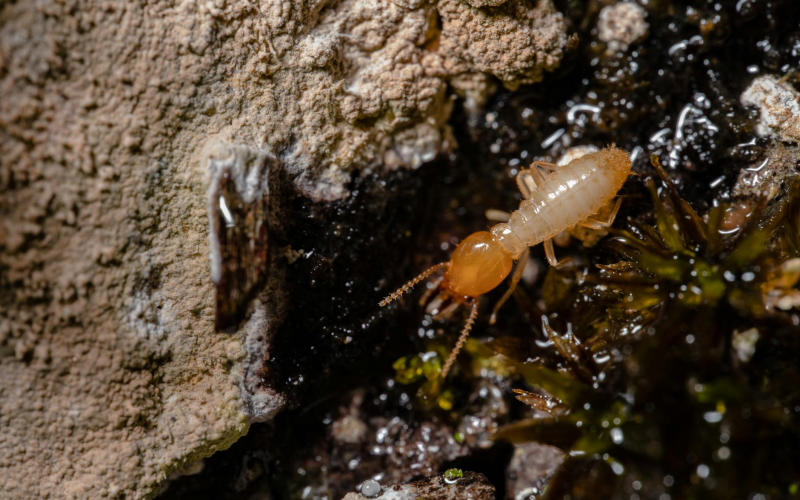

I’ve spent over a decade writing about pest control, and termites are the one thing that genuinely keeps homeowners staring at the ceiling at 2 a.m. Not because they bite. Not because they’re grotesque. But because by the time you actually notice them, the damage is already done—and the average repair bill for subterranean termite damage runs between $3,000 and $8,500, according to a 2022 HomeAdvisor survey of 11,400 homeowners.
Here’s what makes subterranean termites so particularly brutal: they live underground. You won’t catch them marching across your kitchen floor. They construct pressurized mud tube highways straight from the soil into your wood framing, work around the clock, and a mature colony can chew through roughly a foot of 2×4 pine every six months. Silently. Inside your walls.
So I put this list together specifically for foundation-level warning signs—the ones you can actually check yourself before dialing a professional. Some of these you’d probably write off as normal house stuff. Don’t.
1. Mud Tubes Running Up Your Foundation Walls
This is the big one. Subterranean termites can’t survive exposed to open air—they depend on moisture and darkness—so they construct pencil-thin mud tubes (sometimes called shelter tubes) to travel between the soil and your wood framing.
Run your hand along the base of your foundation, both inside the crawl space and outside along the exterior walls. These tubes look like dried streaks of brown clay, roughly the diameter of a pencil or a thick finger. Find one? Break it open. Active tubes get rebuilt within a day or two, which tells you the colony is still very much on the job.
I’ve spotted these in genuinely unexpected places—behind water heater cabinets, inside garage walls, climbing up brick mortar joints. Don’t limit yourself to the obvious spots.
2. Hollow-Sounding Wood Near the Floor
Knock on your baseboards, door frames, and any exposed floor joists in your crawl space. Solid wood sounds dense, almost thuddy. Termite-damaged wood sounds papery and hollow—like rapping your knuckles on a cardboard box.
This happens because subterranean termites eat along the wood grain, hollowing it from the inside while leaving the outer surface completely intact. A beam can look perfectly fine and be 70% consumed internally.
Get down near your baseboards and try the knuckle test. Really lean in and listen. It takes about 30 seconds per section—you can do it right now.
3. Tight or Sticking Doors and Windows
Here’s one people almost universally chalk up to humidity or normal settling. And sure, sometimes it is. But if multiple doors or windows start sticking in spring or early summer—particularly on the ground floor—that’s worth digging into.
Subterranean termites damage structural framing, which produces subtle shifts in your home’s alignment. A door that used to glide shut and now catches at the top corner isn’t merely annoying. It might be telling you the framing around it has been quietly eaten away.
The key word is “multiple.” One sticky door is probably just humidity. Three doors and two windows suddenly binding? That’s a pattern.
4. Discarded Wings Near Foundation Entry Points
Swarmers—the reproductive members of the colony—emerge to start new colonies, usually in spring after a warm rain. Once they find a mate and a suitable spot, they shed their wings. You’ll find small piles of translucent, equal-length wings near windowsills, door frames, foundation vents, and anywhere soil meets wood.
Don’t mix these up with ant wings. Termite wings are all the same length (ant wings have a noticeably longer front pair). Termite swarmers also have straight antennae and a thick waist—ants are pinched in the middle.
Finding swarmer wings doesn’t automatically mean the colony is inside your home. But it does mean one might be establishing itself right now. Don’t brush off a pile of wings near your foundation, even a small one.
5. Frass That Isn’t Really Frass
Quick clarification here, because I see this confusion constantly. Drywood termites leave frass—tiny pellet-shaped droppings that look like coarse sawdust. Subterranean termites don’t do that. They actually use their excrement as building material inside the mud tubes.
So if you’re noticing what looks like sawdust near your foundation, you’re more likely dealing with carpenter ants or literal construction debris. What you should watch for near the foundation instead is soil disturbance, small dirt mounds pressed against the foundation wall, or fine soil granules pushed up through cracks in concrete slabs—sometimes called “kickout dirt.”
6. Blistering or Bubbling Paint on Wood Surfaces
And this one genuinely sneaks up on people. Subterranean termites carry enormous amounts of moisture as they work through wood. That trapped moisture pushes outward to the surface, causing paint to blister or bubble in a way that looks almost identical to water damage.
If you’ve already ruled out a plumbing leak or roof problem and the paint near your baseboards or door frames is still bubbling, grab a moisture meter. Readings above 19% in wood with no obvious water source nearby deserve a closer look from a professional.
7. Sagging or Spongy Floors
Soft spots in your flooring—especially near exterior walls or above a crawl space—are a legitimate red flag. Walk every section of floor near your home’s perimeter. Does anything give slightly more than it should?
Subterranean termites are particularly fond of floor joists in crawl spaces. They’re close to the soil, often poorly ventilated, and almost never inspected. A 2019 University of Florida Extension study found that crawl space floor joists were the most commonly damaged structural component in homes with confirmed subterranean termite infestations across the southeastern U.S.
Spongy floors don’t always mean termites—moisture rot is another culprit—but moisture rot frequently follows termite damage anyway. Either way, it needs attention.
8. Visible Soil-to-Wood Contact Around Your Foundation
This isn’t a sign of existing damage. It’s a sign of extreme vulnerability that subterranean termites will exploit if they haven’t already.
Any place where wood contacts or sits buried in soil—deck posts, wood mulch piled against siding, wooden forms left over from concrete pours, fence posts near the house—is essentially a welcome mat. Subterranean termites don’t even need to bother with a mud tube when there’s direct soil-to-wood contact. They walk straight in.
The International Residential Code recommends at least 6 inches of clearance between soil and wood framing. Most homes I’ve looked at fall short of that in at least one spot.
Bottom Line
Here’s something I don’t see written about enough: the real danger with subterranean termites isn’t any single warning sign—it’s the gap between your inspection schedule and their work schedule. Most homeowners inspect their homes essentially never. Most pest control companies recommend once a year. But subterranean termite colonies can double in size every three to five years, and a colony of 60,000 workers is already causing measurable structural damage long before anything becomes visible to you.
My honest advice? Treat your crawl space or foundation perimeter the way you treat your smoke detector. Check it twice a year, on a schedule, whether or not anything looks off. Spring after the first warm rain. Fall before you button everything up for winter. Thirty minutes twice a year is genuinely cheaper than a single termite repair job.
Frequently Asked Questions
How long does it take for subterranean termites to cause serious foundation damage?
A mature colony of 60,000 to 1 million workers can cause structurally significant damage in as little as two to three years. Younger colonies take longer but are still actively feeding. The timeline depends heavily on wood type, moisture levels, and colony size.
Can I treat subterranean termites myself?
DIY bait stations and liquid barriers exist, and some homeowners use them with partial success. But because subterranean termites operate underground and inside structural wood, professional treatment—either a liquid termiticide barrier or a monitored baiting system—is significantly more effective for established infestations. I wouldn’t skip the pro call on this one.
What time of year are subterranean termites most active?
Swarmers typically emerge in spring, particularly March through May across most of the U.S., after warm rains. But the colony itself feeds year-round, especially in warmer climates. In states like Florida, Texas, and Louisiana, subterranean termites are essentially active every month.
How much does professional subterranean termite treatment cost?
Liquid soil treatments (termiticide barriers) typically run $1,200 to $2,500 for an average home. Bait station systems cost $800 to $1,500 to install, plus $300 to $500 per year for monitoring. Tent fumigation isn’t typically used for subterranean species—that’s more of a drywood termite treatment.
Photo by Jimmy Chan on Pexels