
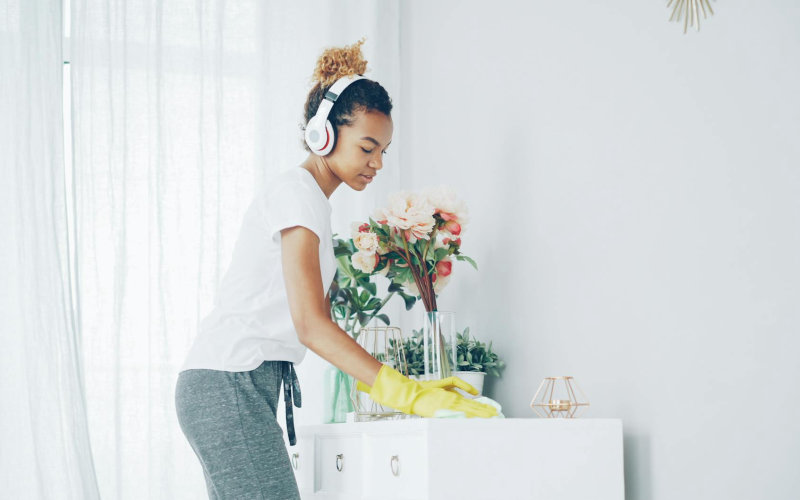

Every spring I tell myself the same thing: this year will be different. This year I won’t spend an entire Saturday hunched over a mop bucket reeking of Pine-Sol, silently wondering if there’s a smarter way to do any of this. And honestly? This year actually was different. Because I finally stopped taking cleaning advice at face value without ever bothering to test it myself.
I picked three hacks I’d been quietly skeptical about, ran through all of them back-to-back on a single Sunday afternoon in March, and I’ll be straight with you: two completely blew me away. The third surprised me mostly with how stupidly simple it was. None of them involved buying anything special or calling anyone. We’re talking stuff you already own. Rice. A sponge. A Swiffer.
Here’s exactly what happened.
Why Most Cleaning “Hacks” Are Garbage
Fair warning before we get to the good stuff. The internet is absolutely stuffed with cleaning tips that sound clever in a 15-second reel and fall apart the second you try them on an actually dirty surface. Vinegar-and-baking-soda mixtures that fizz dramatically and accomplish almost nothing. Dryer sheets that supposedly repel everything but mostly just leave a waxy film on whatever you touch.
So yeah. I walked into this with low expectations. Justified ones.
But these three are different. And I can tell you exactly why.
Hack #1: Zapping Your Kitchen Sponge in the Microwave
This one felt almost too simple to take seriously. You’re telling me I can sanitize the single most germ-saturated object in my kitchen—the sponge that sits in a damp puddle next to the sink collecting bacteria like it’s auditioning for a biology textbook—just by microwaving it?
Apparently, yes. The USDA has actually studied this. Microwaving a wet sponge on high for one minute is one of the most effective methods for killing the germs responsible for foodborne illness. Not just “pretty good.” One of the most effective.
Here’s what I did. Soak the sponge completely. Add a small squeeze of lemon juice (optional, but it kills the smell). Microwave on high for 60 seconds. Then wait before you touch it—seriously, it comes out genuinely hot. That’s the whole thing.
The bonus I didn’t expect: all that steam loosens the grease and stuck-on splatter inside the microwave itself. So I wiped down the interior with the still-warm sponge right after and it came clean in about 90 seconds. Two problems, one very steamy minute. One quick heads up though—check your sponge for metal scrubbing pads before you do this. Metal in a microwave is a fire situation nobody wants on a Sunday afternoon.
Hack #2: Cleaning Narrow Vases With Uncooked Rice
This is the one that felt most like a party trick. It’s also the one I’m most excited to tell people about.
I have three glass vases that have been sitting on a shelf with cloudy waterline stains for probably two years. Two years. Because I couldn’t fit a brush through the necks, and dish soap alone wasn’t touching those mineral deposits. I’d basically accepted them as permanently ugly.
The fix took four minutes. Three tablespoons of dry white rice, a couple drops of dish soap, halfway filled with lukewarm water. Cover the opening with your palm, shake it like you mean it for about 30 seconds, then dump and rinse. The rice acts exactly like a soft-bristle brush—abrasive enough to scrub the walls without scratching the glass, but soft enough to flex around curves your hand could never reach.
All three vases came out crystal clear. I stood there staring at them like I’d just performed minor surgery. Honestly, it’s one of those moments where you feel weirdly proud of yourself for something that cost zero dollars.
Hack #3: Dusting Your Walls With a Swiffer
Okay, this was the one I was most skeptical about. Dusting walls? Who dusts walls? Apparently I should have been, because when I ran a microfiber cloth along the baseboard of my hallway I collected a gray fuzzy mass I’d prefer not to describe in detail.
The process is simple. When you’re done sweeping or mopping floors, swap the used pad for a clean dry microfiber cloth on the Swiffer head. Run it along the walls, starting from the ceiling and working down. The extended handle means you hit crown molding and ceiling corners without climbing anything. You get the baseboards without kneeling.
For fingerprints or scuff marks—and my front hallway has plenty, courtesy of nobody I’ll name—spritz the cloth lightly with an all-purpose cleaner before you swipe. Works on painted drywall without lifting the paint, as long as you’re not soaking it. I did my entire downstairs in maybe 20 minutes. Which was about 20 minutes less than I expected.
The Gear You Actually Need (It’s Almost Nothing)
This is what I appreciate most about all three of these. No special purchases required.
You need a kitchen sponge (you have one), a microwave (same), a lemon (optional), uncooked rice from your pantry, dish soap, a vase or two, a Swiffer Sweeper (the basic model runs about $30 at any Target or Walmart), and microfiber cloths. That’s it. If you don’t own a Swiffer, you can get a similar wall-dusting effect with a dry mop and a cloth—but the Swiffer’s lightweight head genuinely makes it easier to control. It’s worth owning.
How to Work These Into Your Regular Routine
Here’s where most cleaning advice fails you. It tells you how to do the task once and then just… disappears. If these tricks don’t make it into your regular rotation, they won’t actually change anything.
So I added the sponge microwave step to my Sunday kitchen wipe-down. Takes 60 seconds. The rice method I now do every time I wash my vases—which, honestly, makes me wash them more often because it stopped being annoying. The wall dusting I do quarterly, usually the first weekend of each new season.
Spring, summer, fall, winter. Four times a year. Your walls will thank you, and more importantly, your guests won’t notice the cobwebs they definitely would’ve noticed otherwise.
Bottom Line
Here’s the thing nobody tells you about cleaning hacks: the best ones aren’t about clever chemistry or some obscure ingredient you’ve never heard of. They’re about using physics and texture in ways you never thought to apply to your specific problem. Rice doesn’t clean your vase because it’s magical—it cleans it because it’s the right shape and hardness for a space your tools couldn’t fit. The microwave doesn’t sanitize your sponge through some special steam formula; it’s just controlled heat applied to something we never thought to heat-treat. That reframe genuinely changed how I look at stubborn cleaning problems now. Next time something won’t come clean the normal way, I ask myself: what shape does the solution need to be? Usually the answer’s already sitting in my pantry.
Frequently Asked Questions
Is it actually safe to microwave a kitchen sponge?
Yes, as long as you fully saturate it with water first and make sure there are no metal scrubbing pads attached. A dry sponge can catch fire. Wet? Totally fine for 60 seconds on high. Let it cool before touching it—it gets genuinely hot.
What kind of rice works best for cleaning vases?
Any plain uncooked white rice works fine. Long-grain, short-grain, whatever’s in your pantry. Don’t use instant rice—it’s too soft and breaks down before it does any scrubbing.
Can you use the Swiffer wall method on all paint types?
For flat or matte paint, use a dry cloth only—no cleaner. Those finishes scuff and stain easily if you get them too wet. Eggshell and semi-gloss handle a lightly dampened cloth much better. When in doubt, test in a hidden corner first.
How often should I sanitize my kitchen sponge in the microwave?
Every two to three days is a reasonable rhythm if you’re using it daily. Sponges harbor bacteria fast—a 2017 study published in Scientific Reports found that kitchen sponges can contain more bacteria per square centimeter than a toilet seat. So yeah. Microwave it often.
Photo by Vitaly Gariev on Pexels