
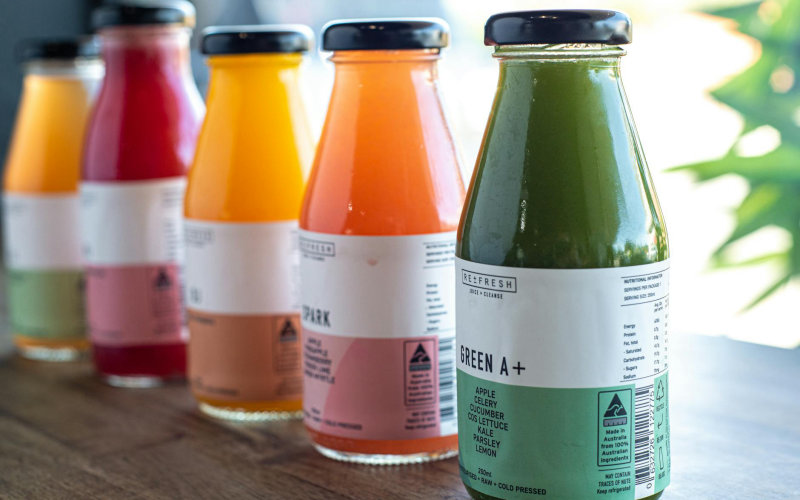

I’ll be honest with you. Most of 2021 I spent nursing a chronic knee injury while simultaneously burning through every inflammation study I could find. My physical therapist kept telling me to “watch what I eat”—which, genuinely, is the most useless advice anyone can hand a person who stress-eats sourdough at 11pm. But one thing that kept surprising me? The research wouldn’t stop circling back to specific compounds in cold-pressed juices.
Not the sugar-bomb stuff. Not your average grocery store OJ. The slow-extracted, nothing-added, actually-made-from-something kind.
So here’s what nutritionists actually recommend when it comes to cold pressed juice for inflammation—and a few of these caught even me off guard.
1. Tart Cherry Juice
This one carries the most serious science. A 2022 study in the Journal of the International Society of Sports Nutrition found tart cherry juice reduced muscle soreness markers by 22% in endurance athletes. The active compounds are anthocyanins—the pigments that give cherries that deep purple-red color.
Cold-pressing keeps those anthocyanins intact in a way that heat just doesn’t. Eight ounces before bed is what most sports dietitians recommend, because your inflammatory markers tend to peak while you’re sleeping anyway.
2. Ginger-Turmeric Blend
Probably the most popular anti-inflammatory juice combo right now. And honestly, for good reason. Curcumin (from turmeric) and gingerols (from ginger) both suppress NF-kB—basically the molecular switch that flips your body’s inflammatory response on.
Here’s the catch most people miss, though. Curcumin is almost useless without piperine (black pepper extract). Your body absorbs roughly 2,000% more curcumin when black pepper is present—that’s from a 1998 study that’s been replicated multiple times since. Look for cold-pressed blends that actually include it. Most don’t bother.
3. Beet Juice
Beets contain betalains. Full stop. These pigment compounds have some of the strongest antioxidant activity ever measured in food—outpacing quercetin in several head-to-head lab comparisons. Cold-pressed beet juice also delivers dietary nitrates, which your body converts to nitric oxide and uses to reduce vascular inflammation.
And we’re not talking massive quantities here. About 250ml daily showed measurable drops in C-reactive protein levels in a 2020 Oxford Brookes University trial.
4. Pineapple-Ginger Juice
The star here is bromelain—a proteolytic enzyme found almost exclusively in pineapple stems and cores. Cold pressing actually captures it better than blending does (something worth knowing). Bromelain actively breaks down inflammatory proteins, and it’s been used clinically post-surgery in Germany since the 1960s.
Your best bet is drinking this on an empty stomach so the bromelain isn’t just busy digesting your breakfast instead of doing the actual job.
5. Celery Juice
Look, celery juice had its moment and got overhyped into oblivion. But strip away the wellness influencer noise and there’s something genuinely real underneath. Apigenin and luteolin—two flavonoids concentrated in celery—have demonstrated real cytokine suppression across multiple cell studies. Cold-pressing keeps these fragile compounds alive. A centrifugal machine? Much weaker output.
Sixteen ounces in the morning is the standard recommendation you’ll hear from registered dietitians who aren’t dismissing it wholesale.
6. Pomegranate Juice
The word you need to know here is punicalagins. Unique to pomegranates, these compounds convert in your gut to urolithins—which have shown remarkable ability to reduce inflammatory markers in actual human trials, not just petri dishes. A 2014 UCLA trial found meaningful reductions in oxidative stress after just four weeks of daily pomegranate juice.
Cold-pressed pomegranate is significantly more potent than commercial versions because commercial processing destroys punicalagins pretty aggressively.
7. Wheatgrass Juice
Small doses. Real effect. Wheatgrass delivers chlorophyll and SOD (superoxide dismutase)—an enzyme your own cells use to neutralize inflammation at the mitochondrial level. Two ounces of cold-pressed wheatgrass contains more SOD activity than most supplements promise but rarely actually deliver.
Bottom Line
Here’s something nobody talks about enough: the timing of your cold pressed juice for inflammation matters almost as much as which juice you pick. Your cortisol and inflammatory cytokine cycles follow a circadian rhythm—cortisol peaks around 8am, inflammatory markers often rise in the late afternoon. So drinking beet or tart cherry juice in the evening, and your bromelain-rich pineapple juice first thing on an empty stomach, isn’t wellness theater. You’re working with your biology instead of just around it. That distinction separates a marginal effect from a real one.
Frequently Asked Questions
How much cold pressed juice should you drink daily for inflammation?
Most nutritionists land somewhere between 8 and 16 ounces daily for a therapeutic effect. But more isn’t always better—compounds like bromelain and wheatgrass SOD actually work best in smaller concentrated doses, not larger volumes.
Is cold pressed juice better than taking supplements for inflammation?
For certain compounds, yes. Bromelain and anthocyanins appear more bioavailable in their whole-food juice matrix than in isolated capsule form. But curcumin is the exception—a good supplement with piperine may genuinely outperform a poorly formulated juice.
Can you drink cold pressed juice every day long-term?
Generally yes, but watch your sugar load. Even natural fruit sugars add up. Vegetable-forward juices (beet, celery, wheatgrass) are your safest daily options. Fruit-heavy blends are better cycled or used more strategically.
How quickly does cold pressed juice reduce inflammation?
Don’t expect overnight results. Most clinical trials showing meaningful inflammation reduction run 3 to 6 weeks of consistent daily use. Tart cherry juice is the notable fast-mover—some studies show acute soreness reduction within 24 to 48 hours.
Photo by Snappr on Pexels