
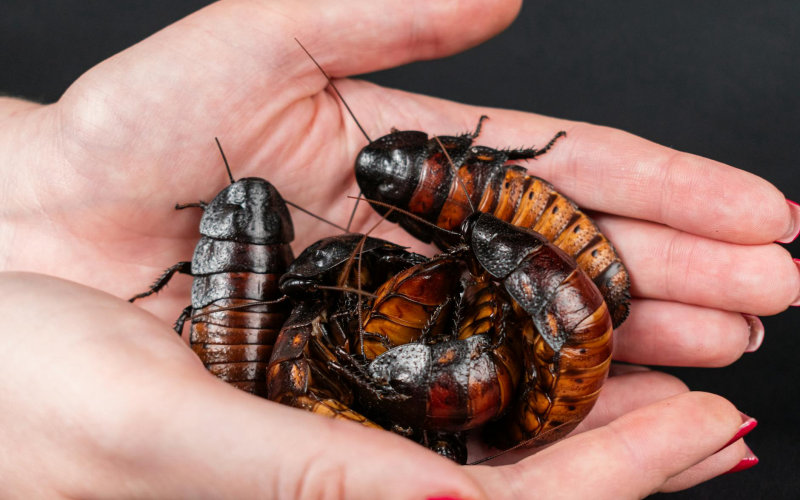

I pulled my refrigerator away from the wall on a Tuesday afternoon in March 2024 to retrieve a bottle cap that had rolled back there. What I found instead stopped me cold. A cockroach nest — dark, papery egg cases, dead skins, and about a dozen live roaches scattering in every direction. I’d had no idea. My kitchen looked clean. I wiped the counters every night. And yet.
That discovery changed everything about how I think about pest prevention. Not just the “spray something and forget it” approach most people take, but the actual root causes that let roaches establish a full colony inches from where I store my food. Here’s what I learned, and more importantly, what you can do about it using tools you probably already own.
Why Your Refrigerator Is a Cockroach’s Dream Home
Cockroaches are not random. They’re strategic. They need three things to survive: warmth, moisture, and food. Your refrigerator checks all three boxes without you even realizing it.
The back of a fridge runs at roughly 90 to 110 degrees Fahrenheit because of the compressor motor. That’s ideal nesting temperature for German cockroaches, which are the species you’re most likely dealing with in a home kitchen. The drip pan underneath collects condensation and grease. And the gap between the fridge and the wall? It’s dark, undisturbed, and often littered with crumbs that have migrated back there over months or years.
So when people discover a cockroach nest behind refrigerator panels or underneath the unit, they’re usually surprised — but they shouldn’t be. It’s genuinely one of the most hospitable spots in your entire home for a roach colony.
The Cleaning Step Most People Completely Skip
Here’s the uncomfortable truth: surface cleaning doesn’t fix a cockroach problem. Wiping counters every night means nothing if you haven’t pulled your refrigerator away from the wall in the last 6 months.
When I cleaned up after my discovery, I found a drip pan that hadn’t been emptied in — honestly, I don’t know how long. There was standing water in there mixed with what I can only describe as a greasy film. You need to pull the fridge out completely, unplug it, and remove that drip pan. Wash it with hot water and dish soap, dry it fully, and put it back. Do this every 3 months minimum.
Also clean the coils at the back with a long-handled brush. you can grab one at any hardware store for around $8, and vacuum up every crumb and dust particle you find behind and underneath the unit. This single step, done consistently, removes the food source and disrupts the warmth cycle that roaches depend on.
Home Remedies That Actually Work
You don’t need to spend $300 on an exterminator right away. And honestly, for an early-stage infestation, I’d try these home tools first.
Boric acid is your best friend. It’s cheap (about $5 for a 1-lb bottle), low-toxicity to humans when used correctly, and genuinely effective. Dust a very thin layer. and I mean thin, roaches avoid heavy piles, along the back wall behind your fridge, under the drip pan, and along baseboards. They walk through it, it sticks to their bodies, and it kills them within a few days. I used Harris Boric Acid Roach Killer, which you can find at Home Depot or on Amazon, and saw a noticeable reduction within about 10 days.
Baking soda mixed with sugar works too, though slower. Combine equal parts and place small amounts in bottle caps near the nest area. The sugar draws them in; the baking soda reacts with their digestive system and kills them. It’s not as fast as boric acid, but it’s completely safe if you have pets or kids nearby.
Bay leaves scattered around the back of the fridge and inside cabinets act as a natural deterrent. Roaches hate the smell. This won’t eliminate an existing nest, but it helps prevent them from moving into new areas while you’re treating the main one.
Sealing Entry Points With What You Have at Home
Killing the existing colony is only half the job. If you don’t seal entry points, new roaches will move in within weeks. This is the step most guides rush past or skip entirely.
Look for gaps where pipes enter the wall behind or under your sink, around the back of the refrigerator space, and along baseboards near the floor. You don’t need expensive materials. Caulk from any hardware store costs about $4 and handles most small gaps around pipes and wall seams perfectly. For larger holes, steel wool stuffed tightly into the gap works well. roaches can’t chew through it, and it’s cheap enough to buy in bulk.
I spent about $15 total sealing the gaps behind my fridge and under my sink. That investment has held up through early 2026 with zero new activity. Seriously. Fifteen dollars.
How to Monitor So You Catch It Early Next Time
After you clean and treat, you need a system for catching problems before they become a full cockroach nest behind refrigerator areas again. Sticky traps are the simplest monitoring tool available, and a pack of 12 runs about $6 at Walmart.
Place one behind the fridge, one under the sink, and one in any cabinet where you store dry goods. Check them every two weeks. If you’re catching zero roaches over 30 days, your treatment worked. If you’re still catching them after 3 weeks of treatment, that’s when you call a professional, because it likely means the colony is larger than you estimated, or there are multiple entry points you haven’t found yet.
So set a phone reminder. Check your traps. Pull the fridge out every quarter. It takes maybe 20 minutes total and saves you a significant amount of stress and money.
Final Thoughts
Here’s what I’d tell anyone who just found a cockroach nest behind their refrigerator: don’t panic, but don’t downplay it either. One nest means the conditions in your kitchen were right for roaches to settle in. and those conditions are fixable with basic tools and about an hour of your time.
The real lesson I took from my 2024 discovery wasn’t just “clean better.” It was that pest prevention is mostly about consistency, not intensity. You don’t need to scrub your kitchen for four hours once a year. You need to pull the fridge out monthly, empty the drip pan quarterly, seal gaps when you spot them, and keep boric acid dust in place behind appliances. Cheap, simple, and genuinely effective.
Start today. Pull that fridge out right now and see what’s back there. You might be surprised, and now you’ll know exactly what to do about it.
FAQ
How do I know if I have a cockroach nest behind my refrigerator?
Look for dark, oval-shaped egg cases (called oothecae), shed skins, and small dark droppings that look like ground pepper. A musty, oily smell near your fridge is also a strong indicator that a nest is nearby.
Is boric acid safe to use in a kitchen around food?
Yes, when used correctly. Keep it away from food prep surfaces and apply only thin dustings in hidden areas like behind appliances and along baseboards. Store food in sealed containers while treating.
How long does it take to get rid of a cockroach infestation with home remedies?
Typically 2 to 4 weeks for a small to moderate infestation using boric acid and habitat removal. If you’re still seeing live roaches after 30 days of consistent treatment, it’s time to bring in a professional.
Photo by Nikolett Emmert on Pexels