
You guys, someone has to say this out loud.
The cleaning products industry has been lying to you for DECADES. And honestly? Most of us have just… accepted it. We buy the sprays with the scary bacteria graphics on the label, we scrub our counters with antibacterial everything, and we feel like we’re doing the right thing. But the truth about germs in your home is way more complicated — and way less terrifying — than the marketing wants you to believe.
I’ve been deep in this topic since I started testing DIY cleaning routines back in 2022, and let me tell you, once you start pulling the thread on cleaning products myths household germs truth, you cannot stop. So here are the five biggest lies being sold to you, right now, every time you walk down the cleaning aisle.
Lie #1: Your Home Needs to Be “99.9% Germ-Free”
This one is EVERYWHERE. That “99.9% germ-free” claim? It’s basically meaningless. Researchers at the University of Arizona found that even surfaces cleaned with commercial disinfectants can be recontaminated within minutes of regular use. Germs are not an enemy army you defeat once and declare victory.
But here’s the real kicker — your body actually NEEDS microbial exposure to function. Your immune system learns from contact with the everyday microbes in your environment. Stripping your home down to a sterile shell doesn’t protect you. For most healthy adults, it does the opposite over time.
So when you see that 99.9% claim, understand what it actually means: in a controlled lab test, on a specific non-porous surface, with a 10-minute contact time. Not your kitchen counter at 7am on a Tuesday.
Lie #2: Antibacterial Soap Is Dramatically Better Than Regular Soap
This one drives me absolutely crazy. The FDA officially ruled in 2016 that triclosan. the active ingredient in most antibacterial hand soaps, couldn’t be shown to be MORE effective than plain soap and water. Ten years later in 2026, we’re still selling antibacterial hand soap on every shelf like that ruling never happened.
Plain soap works by physically lifting bacteria off your skin and washing it away. That’s it. That’s the whole mechanism. It doesn’t need to chemically obliterate microbes to do its job. Scrub for 20 seconds, rinse thoroughly, done.
The antibacterial premium you’re paying? Mostly marketing. Save the money.
Lie #3: The Kitchen Sponge Is Your Biggest Germ Threat
Okay, so this one is a HALF-lie. because yes, sponges do harbor bacteria. But the industry uses this terrifying fact to sell you more products than you need. The framing is the problem.
Here’s what actually matters: most of the bacteria in a dirty kitchen sponge are not pathogenic. They’re not going to make you sick. A 2017 study published in Scientific Reports analyzed 14 used kitchen sponges and found the bacterial communities were mostly harmless environmental microbes, not the E. coli nightmare the dish soap ads imply.
The genuinely risky move is using the same sponge to wipe raw chicken juice off a cutting board and then wiping your kid’s lunchbox. That’s cross-contamination. That’s the actual problem. But cross-contamination doesn’t require you to buy a $12 antibacterial sponge holder. it just requires you to think for two seconds before you wipe.
Replace your sponge every 1-2 weeks. Rinse it well after each use. Done.
Lie #4: More Product = Cleaner Surface
Translation: the “more is more” myth is costing you money AND making surfaces harder to clean.
I tested this myself for about three months in 2024, deliberately using the “recommended” amount of various all-purpose sprays versus half the amount. Results? Basically identical. And with heavy spraying, I was actually leaving sticky residue that attracted MORE dust and grime between cleans.
Concentrated cleaning products are designed to work in small quantities. When you drench your counters, the extra product doesn’t evaporate cleanly. it leaves a film. That film then traps particles. So your surface looks clean for about four hours and then starts looking grimy faster than before.
The industry LOVES this cycle. You buy more product. You use more product. You buy more product. Sound familiar?
A light, even spray with a microfiber cloth is almost always enough for everyday surface maintenance. Period.
Lie #5: Disinfecting and Cleaning Are the Same Thing
They are NOT. And confusing the two is probably the most expensive mistake most households make.
Cleaning removes visible dirt, grease, and debris from surfaces. Disinfecting kills or deactivates specific pathogens. You genuinely need BOTH steps for disinfection to work, if you spray a disinfectant on a greasy stovetop without wiping it first, the disinfectant can’t even reach the surface it’s supposed to treat. The organic matter shields the germs.
Most of us don’t need to disinfect our whole kitchen every day. Honestly. Daily disinfection in a healthy household with no sick members is overkill. and worse, spraying harsh disinfectants repeatedly on surfaces you eat off isn’t exactly a zero-risk activity either.
Reserve actual disinfection for when it counts: someone in the house has been sick, you’ve handled raw meat, or you’re cleaning a bathroom after illness. The rest of the time? Clean. Just clean.
The Honest Truth About All of This
The cleaning products industry spends billions, BILLIONS. each year reinforcing the idea that your home is a biological minefield. Fear sells. That’s the whole business model.
Here’s what I actually do now: a simple all-purpose spray made from diluted castile soap for everyday surfaces, a genuine disinfectant kept under the sink for when I actually need it, and a strict cross-contamination protocol in the kitchen. My grocery bill dropped by around $40 a month when I stopped buying seven different specialized sprays. And I promise you, nobody in my house has gotten mysteriously sick from switching to a simpler routine.
You don’t need the arsenal. You need the knowledge. And now you have it.
Is it bad to clean with disinfectant every day?
For most healthy households, daily disinfection is unnecessary and can expose your family to harsh chemicals more than needed. Save disinfectants for genuine high-risk situations, illness, raw meat contact, or bathroom deep-cleans.
Does hot water kill germs better than cold?
Somewhat, but the water temperature from a home faucet rarely gets hot enough to kill pathogens on its own. The physical action of soap and scrubbing is what actually removes germs from your hands and surfaces.
Are “natural” cleaning products actually safer or more effective?
Not automatically. Some natural ingredients like undiluted essential oils or high-concentration vinegar can irritate skin and damage surfaces. “Natural” doesn’t equal gentle or effective. read labels and test on a small area first.
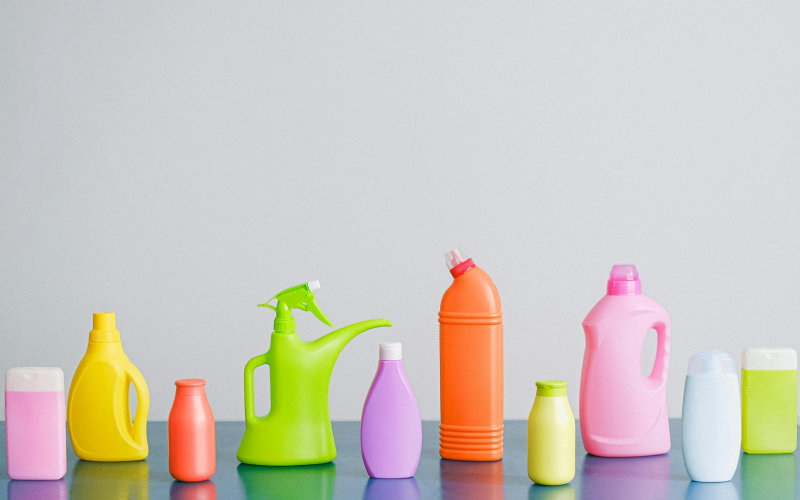
Photo by Anna Shvets on Pexels