
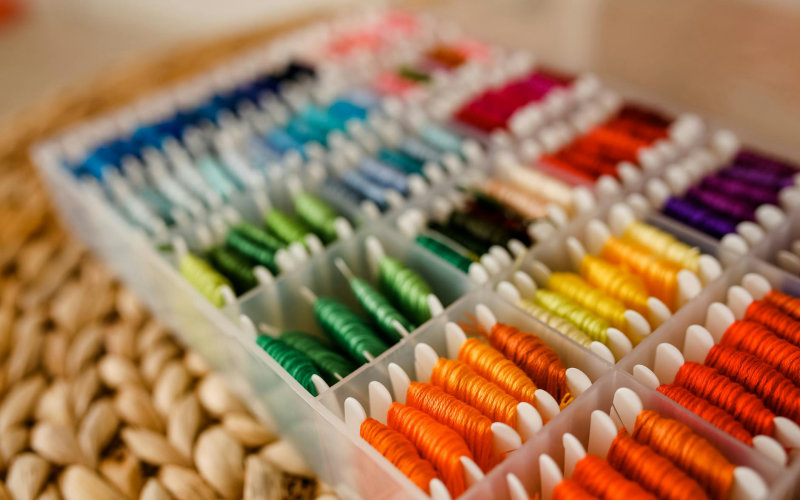

Most beginner crafters blame themselves when projects fall apart. The paint cracks. The decoupage wrinkles. The hot glue strings everywhere. And the natural assumption is that you did something wrong — that crafting just isn’t for you. But here’s the truth: the problem is almost never your skill level. It’s almost always your supplies, your technique on those supplies, or a misconception about how they actually work.
I’ve watched this pattern play out repeatedly. Beginners pick up whatever’s cheapest, follow a tutorial that was filmed with professional-grade materials in a climate-controlled studio, and then wonder why their result looks nothing like the Pinterest photo. The gap isn’t talent. It’s information. So here are nine of the most common craft supply problems — and the surprisingly simple fixes that most guides never bother to mention.
Your Mod Podge Stays Tacky and Never Seems to Dry
This is probably the single most common beginner complaint. You apply Mod Podge, wait a few hours, and the surface still feels sticky. So you assume it’s broken, or that you bought a bad batch.
Here’s what’s actually happening: you’re confusing “dry” with “cured.” Mod Podge. specifically the Gloss formula, which is the most prone to tackiness, can feel dry to the touch within an hour, but it takes approximately 28 days to fully cure. Humidity is also a killer here. High moisture in the air clouds the finish and extends that sticky phase dramatically. The fix? Apply thinner coats, let each one dry fully before adding the next, and if you’re working in a humid environment, run a dehumidifier or move to an air-conditioned room. And stop rushing the finish.
You’re Using the Wrong Glue for Everything
Beginners tend to treat adhesives as interchangeable. Strong glue is strong glue, right? Wrong. This is probably the most expensive misconception in crafting, because it’s the one that destroys finished projects.
Hot glue on heat-sensitive fabric will melt the fibers. Wood glue on plastic creates zero bond. School glue on metal fails completely.
Each adhesive is engineered for specific materials. For fabric, Beacon Fabri-Tac is the right call. it stays flexible, doesn’t melt synthetic fibers, and holds permanently. For rhinestones and gems, E-6000 is what experienced mixed-media crafters reach for, because Mod Podge will actually dull the finish on reflective surfaces.
For paper and wood decoupage, Aleene’s Original Tacky Glue is thinner and more controllable than Mod Podge, and many experienced crafters consider it a better beginner option despite Mod Podge getting all the attention.
Acrylic Paint Cracking or Peeling After It Dries
You painted something, let it dry overnight, and now it’s cracking like old concrete. Frustrating. But this is almost entirely a technique and environment problem, not a product defect.
Thick coats are the main culprit. Acrylic paint dries from the outside in, so a thick layer skins over while the inside is still wet, and that tension cracks the surface. Apply thin, even coats and let each one dry before adding the next. Temperature matters too: acrylic paint should not be applied below 50°F or above 90°F, and most TikTok tutorials never mention this. And if you’re using dollar-store acrylic paint, know that the lower pigment load means you’ll need three or four coats for real coverage anyway. so thin coats aren’t optional, they’re built into how that product works.
Your Fabric Scissors Are Mysteriously Going Dull
One afternoon cutting tape with your “good scissors” and they’re never quite the same again. This is a classic beginner mistake, and it’s permanent. You cannot fully restore fabric scissors once they’ve been used on paper or tape.
Fabric scissors, a good pair of Fiskars, for instance. need to be dedicated exclusively to fabric. Paper has microscopic abrasive particles that dull the blade edge on contact. Tape adhesive gums up the pivot. The fix is simple: own two pairs of scissors. Label them. Keep them separate. It’s not precious, it’s practical.
Decoupage Paper Wrinkling After Application
You smoothed it down, it looked perfect, and then it dried with bubbles and ridges. The instinct is to blame the glue. But the real issue is almost always the paper.
Thin papers, tissue paper, napkins, rice paper. absorb moisture from the adhesive unevenly, which causes the fibers to expand at different rates and wrinkle. The fix has two parts. First, pre-seal thin papers with a light coat of acrylic spray before applying them. Second, when you do apply them, work from the center outward using a brayer or even just a credit card to push out moisture and air. Starting from an edge traps bubbles. Most beginners start from an edge.
Hot Glue Gun Stringing Everywhere
That spider-web of cooled glue strings across your entire project is not a defect in the glue gun. It’s a temperature and timing issue.
Let the gun reach full temperature before you start, most guns need at least four or five minutes, not two. Work quickly once you apply the glue bead, because the stringing happens when the glue starts to cool mid-use. Using high-temp glue sticks in a low-temp gun (or vice versa) also causes this. And here’s a trick most beginners never hear: a quick pass with a hair dryer on low heat melts the strings away in seconds without disturbing the bond underneath.
Old Supplies Quietly Ruining Your Projects
Since Joann Fabrics closed all 800 of its stores in May 2025, a lot of beginner crafters have been stockpiling supplies. buying in bulk during clearance sales or storing items they found at secondhand shops. That’s smart budgeting. But old supplies have real expiration timelines that most people ignore.
Opened Mod Podge lasts roughly six months to a year. Acrylic paint degrades when frozen, and storing it in a cold garage over winter can ruin an entire collection. Spray sealants fail in cold or damp conditions, and applying them anyway leaves a cloudy, ruined finish. Check dates, store supplies in a climate-controlled space, and if your Mod Podge has started to smell sour or has separated strangely, it’s done.
Using Printer Paper for Paper Crafts
Standard 20 lb printer paper is not a craft material. It’s office paper. It warps, tears easily, and creates weak structures that fall apart within a day. But beginners default to it constantly because it’s what they have.
For paper crafting, cardstock (65 lb or heavier) gives you structure. Watercolor paper handles wet media without buckling. Kraft paper works for packaging-style projects. These aren’t premium upgrades. they’re just the right materials for the job, and most of them cost only slightly more than printer paper per sheet.
Buying Foam Brushes Instead of Real Bristle Brushes
Foam brushes seem like a smart budget move. They’re cheap, disposable, and everywhere. But they leave streaks on smooth surfaces, absorb too much product, and fall apart mid-project. For most craft applications involving paint or Mod Podge, a mid-range synthetic bristle brush, even a $4 or $5 option. produces dramatically better results with fewer coats.
What Most Guides Get Wrong
The craft supply market is going through real disruption right now. According to Market Research Future’s April 2026 report, the global craft supplies market is projected to grow to nearly $65 billion by 2035, but for everyday beginners, the entry point is getting harder, not easier. Joann’s collapse, tariff-driven price increases, and brand consolidation (Plaid Enterprises acquired Arteza in March 2025) are quietly shrinking the affordable options.
So the fix isn’t always a technique tweak. Sometimes it’s knowing which products to actually trust, and understanding that a $3 tube of paint and a $12 tube of paint are genuinely not the same thing. and that difference shows up in your finished work.
Photo by Melike B on Pexels