
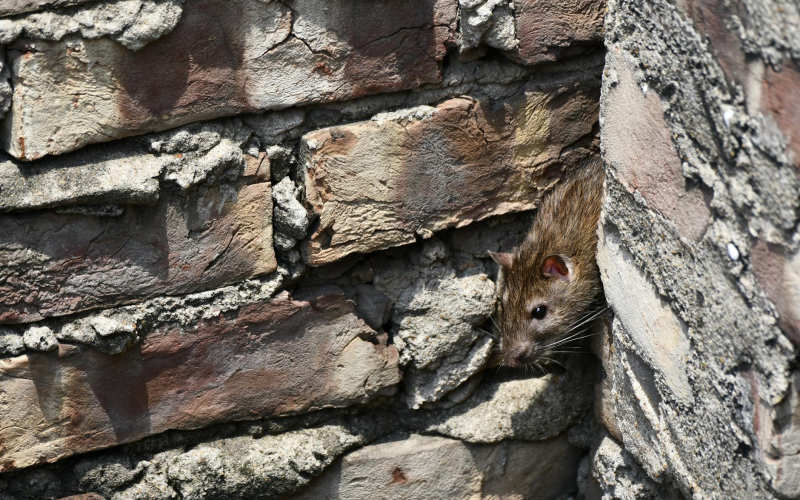

I’ve talked to hundreds of homeowners who thought they knew what they were signing up for when they hired someone for rodent exclusion. Most were surprised. Not because it went wrong—but because the whole thing was so much more involved than they’d pictured. They expected a guy to show up, stuff a few holes, and head out by lunch. That’s not what happens.
The professional rodent exclusion treatment process is genuinely fascinating if you’re a detail person, and it’s critically important if you actually want to solve your problem for good. This isn’t like spraying for ants. There’s no chemical shortcut here. Everything rides on physical work, diagnostic skill, and—this is the part that catches people off guard—timing.
So let’s get into what’s really happening when a trained technician starts working on your house.
The Initial Inspection Is More Diagnostic Than You Think
Before anyone touches a single gap, a good technician spends 45 to 90 minutes just looking. Crawling under your house. Checking your attic. Running a flashlight along every foundation corner. They’re not guessing—they’re building a map.
Specifically, they’re hunting for grease rubs (those dark, oily smears mice and rats leave along their regular travel paths), gnaw marks, droppings whose shape identifies the species, and entry points that are usually smaller than you’d expect. A mouse can compress itself through a gap the size of a dime. A rat needs roughly a quarter-inch more than that—which still isn’t much.
In my conversations with exclusion specialists, the inspection phase is where most DIY attempts completely unravel. Homeowners seal the obvious holes and miss the three or four tucked behind the dryer vent flange or underneath the garage door threshold. A professional is trained to think like the rodent—tracing actual movement patterns rather than taking educated guesses.
Sealing Materials Actually Matter (A Lot)
Not all fill materials perform the same way. And this is something pest control companies don’t always explain upfront.
Steel wool by itself? Rodents chew straight through it within weeks. Expandable foam without reinforcement? Same story. What actually holds is a combination approach—hardware cloth (typically 19-gauge or heavier) secured with sheet metal screws, copper mesh packed into gaps before caulking, and commercial-grade sealants that won’t shrink or crack through temperature swings.
One company I know of in Minnesota switched to a product called Xcluder fabric in 2019 specifically because standard steel wool kept failing them in winter conditions—the foam sealant would contract and leave microscopic gaps nobody could see. Small detail. Massive difference in callbacks.
The materials your technician chooses should match the entry point type. Pipe penetrations need different treatment than foundation cracks. Roof vents need different solutions than garage door sweeps. If your technician uses the same filler everywhere, they probably haven’t thought hard enough about your specific building.
What’s Happening Inside Your Walls (The Part Nobody Talks About)
Here’s where it gets uncomfortable. If rodents have been active inside your walls for more than a few weeks, there’s almost certainly nesting material in there. Shredded insulation. Food debris. Droppings. Sometimes dead animals.
The exclusion process itself doesn’t always clean this out—most companies will tell you upfront that insulation remediation is a separate service. But it matters for the exclusion timeline, because sealing animals inside your walls is a genuine risk if you haven’t resolved the active infestation first.
This is why reputable companies use a sequential approach. Trapping or baiting comes first (or simultaneously), exclusion happens after population reduction confirms minimal activity, and a final inspection closes out the job. Skipping straight to sealing when animals are still active inside is exactly how you end up with dead rodents in your walls and a smell that’ll ruin your entire summer. I’ve heard that story more times than I’d like.
Timing: Why Fall Is Critical But Not the Only Window
Everyone in pest control will tell you fall is the busy season for exclusion work. That’s true—rodents start seeking warmth when temperatures drop consistently below about 50°F, which across most of the northern U.S. happens between late September and early November.
But here’s what people miss: if you wait until you hear scratching in the walls, you’re already behind. The optimal window is actually late summer—August through mid-September—when rodent populations peak outdoors and before they’ve started pushing hard toward your foundation. You’re intercepting them before they establish a route inside, not scrambling after they’ve already found one.
Spring exclusion has its place too. After winter populations cycle down and before summer breeding peaks again, a spring treatment can essentially reset your home’s defenses. Some pest control firms in the Pacific Northwest—where winters are mild enough that activity never fully stops—recommend a spring-plus-fall double treatment cycle for homes with persistent histories.
The Technician Is Literally Thinking in Three Dimensions
Your home has height. And rodents use it. Roof rats (Rattus rattus, if you want to get specific) routinely enter through rooflines, soffit gaps, and spots where tree branches make contact with your roof. Norway rats (Rattus norvegicus) tend to enter low—under slabs, through weep holes, along the base of foundation walls.
A complete exclusion treatment accounts for both zones. The technician is essentially drawing a 3D perimeter around your entire structure, not just walking the ground-level exterior. If your contractor only checked the bottom 18 inches of your foundation and called it done, you didn’t get a full exclusion job.
And the roofline matters more than most people realize. A 2021 study published in Urban Ecosystems documented roof rat activity in cities where the species wasn’t historically common—Houston, Phoenix, parts of Nashville—as climate patterns shift. Your risk profile is changing geographically. Treatment scope needs to change with it.
After the Seal: What You Should Be Monitoring
The job isn’t over when the technician leaves. Not even close. Your role now is monitoring—and it’s not complicated, but it requires consistency.
Ask your technician to leave tracking powder near former entry points, or to place a few sticky monitoring cards in key spots: your attic, basement, behind appliances. Check them every two weeks for the first three months. Fresh activity anywhere near sealed points is your signal to call for a follow-up before the seal fails completely.
Most reputable exclusion companies offer a 90-day callback guarantee. Use it. Don’t wait until spring to report something you noticed in December.
Bottom Line
Here’s what I haven’t seen anyone else say plainly: the professional rodent exclusion treatment process is fundamentally a structural assessment, not a pest service in the traditional sense. The best technicians aren’t exterminators—they’re closer to building envelope consultants who happen to understand rodent behavior deeply. When you reframe what you’re actually buying (a physical upgrade to your home’s defenses, not a chemical treatment), you’ll ask sharper questions, hire better companies, and stop being blindsided when a cheap job fails. The rodents didn’t fail. The building did. So fix the building.
Frequently Asked Questions
How long does a professional rodent exclusion treatment typically take?
For an average single-family home, expect 3 to 6 hours for the full process—inspection, sealing, and documentation. Larger homes or those with significant infestations can take a full day or require multiple visits.
Can I do rodent exclusion myself, or do I really need a professional?
You can handle basic gap-sealing yourself, but most DIY attempts miss secondary entry points that require experience and proper tools to find. If you’ve already had an active infestation, professional exclusion is genuinely worth it.
Does exclusion work without also killing the existing rodents?
No. Sealing before addressing an active population traps animals inside your walls. Your technician should confirm low-to-no activity before completing the final seal—or work the trapping and exclusion in coordinated phases.
How much does professional rodent exclusion cost?
Nationally, the range runs from about $300 for small focused jobs to $1,500+ for whole-home exclusion with remediation. Don’t automatically choose the cheapest bid—ask specifically what materials they use and whether follow-up visits are included.
Photo by Mayukh Karmakar on Pexels