
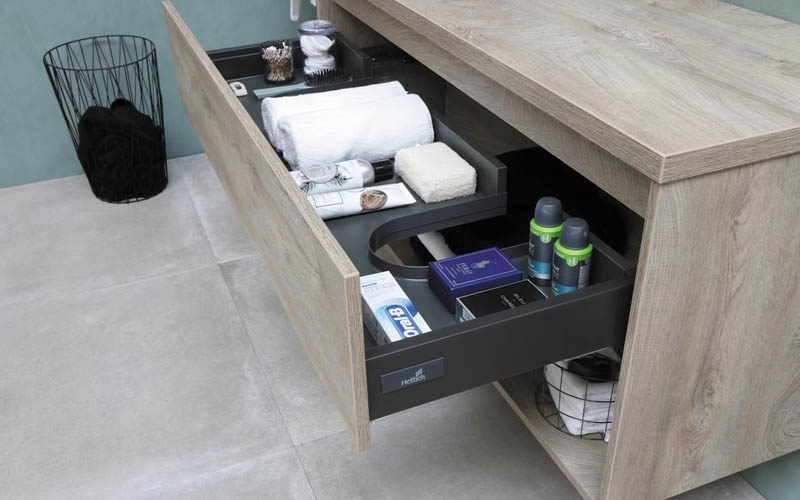

You know that moment when you open the cabinet under your sink and an avalanche of half-empty shampoo bottles, expired cough syrup, and mystery hair ties falls out? Yeah. That’s the moment most people start Googling “how to survive a small bathroom.”
Here’s the thing — small bathrooms aren’t the problem. Wasted vertical space, ignored corners, and doors that do absolutely nothing are the problem. A 40-square-foot bathroom can feel surprisingly functional if you stop trying to store things the way you would in a bigger space. These hacks aren’t Pinterest fantasy projects either. They’re real, budget-friendly solutions that cost anywhere from $0 (a little rearranging) to about $30.
Let’s get into it.
—
1. Go Vertical — Your Walls Are Doing Nothing
Most people look at a small bathroom and think horizontally. That’s the mistake. The average bathroom ceiling is 8 feet tall. You’ve got somewhere between 4 and 6 feet of unused wall space just sitting there.
Floating Shelves Above the Toilet
The space above your toilet is prime real estate that roughly 70% of homeowners completely ignore. A set of three floating shelves — each about 24 inches wide — can hold towels, toiletries, candles, and decorative baskets. IKEA’s LACK shelves run about $8 each, or you can find a full over-toilet shelf unit on Amazon for under $35.
Tall Narrow Cabinets
A cabinet that’s 12 inches deep, 18 inches wide, and 72 inches tall fits in spaces you’d never expect. Slide one into that weird gap between the toilet and the vanity. Suddenly you have six shelves of storage where before you had a stretch of painted drywall.
—
2. The Door Is a Storage Goldmine
The back of your bathroom door can hold more than you think — without feeling cluttered.
An over-the-door organizer with clear pockets is perfect for hair tools, travel-size products, cotton rounds, and kids’ bath toys. One organizer from a brand like SimpleHouseware holds 36 pockets and costs about $16. That’s potentially 36 items off your counter, out of your drawers, and off your mind.
If you prefer a cleaner look, mount three to five adhesive hooks down the back of the door for towels, robes, and bags. Command hooks rated for 7.5 pounds are strong enough for a heavy bath towel and come off without damaging paint.
—
3. Rethink What’s Under the Sink
The cabinet under your bathroom sink is probably the most disorganized spot in the house. The pipe situation makes it awkward, and most people just shove things in and hope for the best.
Stackable Pull-Out Drawers
The real fix is working around the pipes with U-shaped or adjustable organizers. iDesign makes a two-tier pull-out shelf system designed specifically for under-sink plumbing cutouts, and it runs about $25. When you can actually pull items toward you instead of digging in the back, you stop buying duplicates of things you already own. (We’ve all bought a third bottle of contact solution for this exact reason.)
Small Bins and Labels
Divide the space into zones: cleaning supplies in one bin, personal care in another, hair products in a third. Label them. It sounds almost too simple, but this single change can cut the time you spend hunting for things by a shocking amount.
—
4. Magnetic Strips and Tension Rods
These two tools are wildly underused in bathrooms.
A magnetic strip — the kind usually sold for kitchen knives — mounted inside a cabinet door or on a wall can hold bobby pins, nail clippers, tweezers, and small scissors. No more losing those tiny metal things to the bathroom black hole. You can find a 16-inch magnetic strip for about $10, and it takes five minutes to mount.
Tension rods work a little differently. Stick one horizontally under your sink to hang spray bottles by their triggers. This clears shelf space and keeps your cleaning supplies visible and accessible. Stack two tension rods at different heights and you’ve doubled your under-sink storage for literally $5.
—
5. Use Corner Space Strategically
Corners are the bathroom’s most neglected geometry. A corner shower caddy, corner shelf tower, or even a small corner stool can turn dead space into useful storage.
Corner Shower Caddies
A rust-proof tension pole caddy fits in any shower corner without drilling a single hole. It adjusts from floor to ceiling, holds 3–4 shelves of products, and costs between $20 and $40. The key is buying one with adjustable shelves — that way you can fit larger shampoo bottles on one level and razors on another without everything toppling over.
Corner Shelving Outside the Shower
That little triangle corner next to your vanity? A 5-tier corner shelf unit fits there beautifully. It takes up about 10 × 10 inches of floor space but gives you five platforms to store rolled towels, plants, skincare, or whatever you actually need within reach.
—
6. Towel Bars, Hooks, and Rings — Multiply Them
One towel bar isn’t enough for most households. Add a second bar 6–8 inches below the first one — now you’ve doubled your towel-hanging capacity without using any more wall space.
Ring-style towel holders mounted behind the door or on a side wall are great for hand towels. Multi-hook bars let a family of four each have a designated hook without towels piling on the floor. And if you’re renting and can’t drill? Adhesive options from brands like mDesign hold up to 11 pounds and actually stay put if you follow the installation instructions (clean the wall with rubbing alcohol first — that step matters more than people realize).
—
7. Baskets, Trays, and Decanting
Loose product bottles are the enemy of a tidy-looking small bathroom. Grouping items into a small tray or basket instantly makes the space look intentional instead of chaotic.
A bamboo tray on your counter corrals your daily-use items — face wash, moisturizer, toothbrush cup — into one footprint. Wicker baskets on shelves hide visual clutter while still being easily accessible. Decanting things like cotton balls and Q-tips into small glass or acrylic jars saves space and looks genuinely nice.
Bonus: when everything has a home, cleaning the bathroom goes from a 20-minute chore to a 5-minute wipe-down. That alone is worth the effort.
—
Bottom Line
Here’s something nobody really talks about: most small bathroom storage advice focuses on adding things — more shelves, more hooks, more organizers. But the actual hack is doing a product audit first. The average person has 6–9 nearly-empty bottles in their shower at any given time. Before you buy a single organizer, spend 15 minutes consolidating those half-empty bottles, throwing out anything expired, and donating duplicates. You might discover you don’t need more storage at all — you need less stuff. The best storage hack isn’t a product. It’s the ruthless decision to stop holding onto things “just in case.” Free up that space first, then decide what you actually need to organize.
—
FAQ
How do I add storage to a small bathroom without drilling holes?
Adhesive hooks, over-the-door organizers, tension rods, and freestanding shelf units all work without drilling. Brands like Command and mDesign offer strong adhesive options specifically designed for humid bathroom environments.
What’s the best storage solution for a bathroom with no counter space?
Wall-mounted shelves above the toilet, a rolling cart beside the vanity, or a narrow tower cabinet are your best bets. A small rolling cart — often sold as a “bathroom cart” or “utility cart” — can be tucked under a floating vanity and pulled out when needed.
How do I organize under the sink when pipes are in the way?
Use U-shaped under-sink organizers or stackable drawers with adjustable dividers designed to work around pipes. Tension rods for hanging spray bottles also make excellent use of the vertical space pipes leave open.
Are over-toilet shelves safe and stable?
Yes, if you buy a unit with adjustable legs and rubber feet — these keep the unit from shifting on tile floors. Freestanding over-toilet units don’t attach to the wall, so they’re renter-friendly, and most hold between 20 and 50 pounds safely when assembled correctly.