

I found mouse droppings behind my stove in November 2019. Three of them. Little dark pellets that made my stomach drop faster than a bad stock tip. I’d just spent $200 on a professional exterminator six months earlier, and here we were again.
That’s when I started obsessing over peppermint oil. Not because some Pinterest board told me to, but because I wanted to understand why it works—and whether I could build something systematic instead of just stuffing cotton balls in random corners like every other blog suggests. Three winters later, my house has stayed clean. So let me walk you through what actually holds up versus what’s just internet folklore.
The short version? A DIY peppermint oil mouse repellent works. But only if you treat it like a barrier system, not a magic smell you spray once and forget.
Why Mice Actually Hate Peppermint (The Real Biology)
Mice rely on their olfactory system for basically everything. Finding food. Avoiding predators. Navigating your walls. Their noses carry roughly 1,000 functional olfactory receptor genes compared to our measly 388, according to research published in Genome Research back in 2014.
Peppermint oil’s menthol compounds overwhelm those receptors. It doesn’t poison them. Doesn’t trap them. It just makes your house smell, to a mouse, like standing inside a fire alarm—and they’ll turn around and find somewhere quieter.
But here’s the part that actually matters: concentration has to be high enough, and frequent enough, to maintain that sensory wall. A few drops on a cotton ball that’s been sitting there since October? That’s not a barrier. That’s decoration.
What You Actually Need (Exact Supplies)
Don’t overthink this. Here’s what I keep on hand every fall:
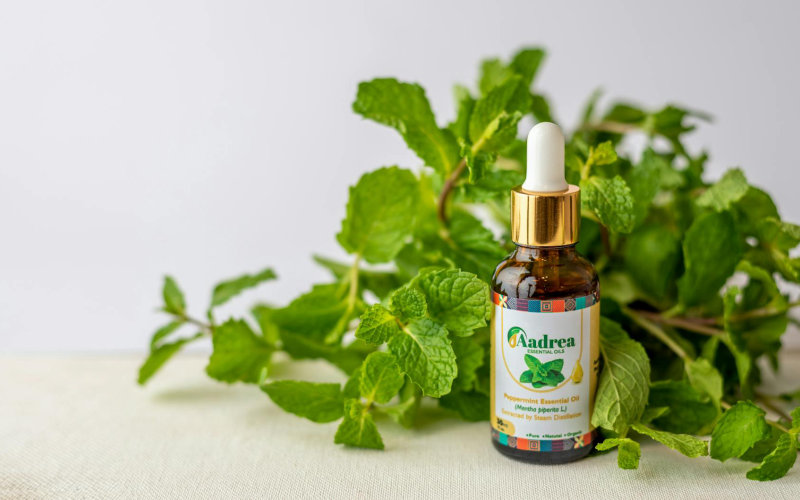
Pure peppermint essential oil—not peppermint extract, not the baking stuff. You want 100% pure with a menthol content of at least 40%. Brands like NOW Foods or Plant Therapy are solid and run about $12-$15 for a 4-ounce bottle.
You’ll also need unbleached cotton balls (the cheap ones actually absorb and release better than the fancy cosmetic versions), small disposable cups or jar lids to set them in, white vinegar, a small spray bottle, and optionally some dried peppermint leaves to reinforce high-traffic spots.
Budget roughly $25-$30 total for a whole-house setup. That’s genuinely it.
How to Map Your Home’s Entry Points Before You Place Anything
This step is what separates a real system from a scattershot attempt. Mice don’t enter randomly—they follow very specific paths along walls, pipes, and foundation cracks.
Spend 20 minutes with a flashlight before you do anything else. Check your utility entries: where gas lines, electrical conduits, and water pipes meet the foundation. Check where your dryer vent exits. Look at the gap between your garage door and the floor. Any opening wider than a quarter inch (6mm) is effectively a mouse door.
Write down every location. I actually sketch a rough floor plan and mark each one. You want your barrier forming a continuous perimeter, not a cluster of isolated spots.
So your map becomes your deployment guide. Every point you mark gets a cotton ball treatment. No map, no system—it really is that simple.
The Cotton Ball Method: Ratios and Placement That Work
Here’s my standard formula: 15-20 drops of pure peppermint oil per cotton ball. Saturate it but don’t drown it—you want the oil absorbed into the fibers, not pooling at the bottom of the cup.
Place each cotton ball inside a small lid or cup to protect your floors (peppermint oil can strip certain wood finishes if left in direct contact). Position it within 2 inches of the entry point, not across the room from it.
For interior corners along baseboards—especially in kitchens and laundry rooms—space your cotton balls every 3 feet. That sounds like a lot, I know. But mice can travel 30 feet in under a minute, and they hug walls, so gaps in your coverage are gaps in your barrier.
Replace every cotton ball every 10-14 days. The menthol evaporates faster than most people expect, especially once winter heating kicks in.
Building the Spray Reinforcement Layer
Cotton balls handle your stationary points. But you also need a spray for larger surface areas—underneath appliances, along hard-to-reach baseboards, and around the exterior foundation.
Mix 2 teaspoons of pure peppermint oil with 1 cup of water and 1 teaspoon of white vinegar (the vinegar helps the oil emulsify slightly so it doesn’t just bead up on contact). Shake before every single use.
Spray a light, even coat along baseboards every 7-10 days. Outdoors, hit the foundation line—especially around any penetrations you flagged during your mapping session. Do it after rain, because moisture washes the scent away faster than you’d think.
And yes, your house will smell strongly like a candy cane factory for the first week or two. Your family will have opinions about this. Mine definitely did.
Reinforcing the Exterior: The Part Everyone Skips
Most guides stop at indoor placement. That’s leaving the second half of your barrier completely unbuilt.
Mice are opportunistic—they scout exterior walls for weeks before actually entering. If you’ve already made the outside smell hostile, many of them won’t bother testing your foundation at all.
Soak several cotton balls heavily (25+ drops each) and place them in small weatherproof containers. Old jam jars with lids resting loosely on top work fine. Position them near your foundation corners, along the garage perimeter, and anywhere you spotted potential entry points during your walkthrough. Weigh each jar down with a rock so wind doesn’t scatter them.
Replace these outdoor placements every 7 days in wet or windy weather—more often if it rains. This is the maintenance piece that makes the difference between a barrier that holds through January and one that collapses by Thanksgiving.
Knowing When Peppermint Isn’t Enough
Here’s the honest part. A DIY peppermint oil mouse repellent is a deterrent, not a fix for an active infestation. If you’re already hearing scratching inside your walls or finding droppings regularly, you’ve moved past the prevention stage.
Peppermint works on mice that haven’t committed yet. Once they’ve nested—especially once they’ve found a reliable food source—the smell becomes background noise to them, the same way you stop noticing your own perfume after an hour.
For active infestations, seal your entry points physically first (steel wool packed into gaps, then caulked over), deal with the existing population using traps, then deploy your peppermint barrier to discourage new arrivals. Don’t try to skip straight to the pleasant-smelling solution.
Bottom Line
Here’s the thing nobody talks about: peppermint oil’s real power isn’t the smell itself—it’s that using it correctly forces you to actually find and map your entry points. Most people who build a proper peppermint barrier end up physically sealing half those gaps too, which is what genuinely kept the mice out. The oil is real. But the process trains you to see your home the way a mouse does, and that shift in perspective is honestly worth more than any bottle of essential oil.
Frequently Asked Questions
How often should I replace the cotton balls in my DIY peppermint oil mouse repellent?
Every 10-14 days indoors, every 7 days for outdoor placements, and immediately after any significant rain. The menthol content drops fast once exposed to heat and air.
Can I use peppermint extract from the grocery store instead of essential oil?
No. Grocery store peppermint extract is alcohol-based and diluted for cooking—it doesn’t have the menthol concentration you need. Stick with 100% pure peppermint essential oil, minimum 40% menthol content.
Is peppermint oil safe around pets and kids?
Cats are particularly sensitive to menthol and phenols in essential oils, so avoid placing cotton balls anywhere your cat spends time. Dogs generally tolerate it fine at these concentrations. Keep cotton balls out of reach of small children, since ingesting essential oil directly is harmful.
How many entry points does the average house have?
More than you’d think. A 2,000 square foot house typically has 15-25 potential entry points when you factor in all utility penetrations, foundation cracks, and ventilation gaps. Map every one before you start placing your barrier.
Photo by Aadrea Essentials on Pexels