

I’ve killed more tomato plants than I care to admit.
Seriously. My first three summers growing tomatoes were basically an elaborate experiment in how many ways one person can destroy a nightshade. I’d get these gorgeous, hopeful little seedlings in the ground, watch them climb a cage, flower like crazy — and then somewhere between late July and harvest, something would go sideways. Yellowing leaves. Collapsed stems. Fruit rotting on the vine before it ever turned red.
What I eventually figured out, after years of trial and embarrassing failure, is that most tomato plant deaths aren’t caused by one dramatic problem. They’re the result of slow, quiet cultural mistakes stacking up over the season until the plant just can’t hang on anymore. And the frustrating part? Most gardeners don’t catch them until it’s way too late.
You’re Watering Inconsistently (And It’s Wrecking More Than You Know)
This is the big one. Inconsistent watering — soaking the plant one day, ignoring it for five — is probably the single most common reason tomato plants dying before harvest mistakes spiral into full plant death.
When soil moisture swings wildly, your tomatoes can’t regulate calcium uptake properly. That leads to blossom end rot: a dark, sunken patch on the bottom of your fruit. It’s not a disease. It’s physiological stress. And once it shows up on ten fruits in a row, most gardeners figure the plant is finished.
The fix sounds almost too simple. Water deeply and consistently — roughly 1 to 1.5 inches per week. Drip irrigation or soaker hoses beat overhead watering every single time because they deliver moisture straight to the root zone rather than soaking foliage. I switched to a drip system in 2019 and my blossom end rot problem basically vanished within one season. One season.
You Planted Too Early (Or In the Wrong Spot)
Cold soil is a silent assassin. Tomatoes want soil temperatures above 60°F — ideally closer to 65°F — before they go in the ground. Plant them earlier than that and you’re not giving them a head start, you’re stressing them at the root level before they’ve had any chance to establish.
I’ve watched neighbors in central Ohio plant tomatoes on May 1st every single year because “that’s when we always do it.” And every year their plants sit there looking sulky and stunted for three weeks while mine — planted May 15th after I checked soil temp with a cheap $12 probe — take off and catch up within days.
Location matters just as much. Tomatoes need a minimum of 6 to 8 hours of direct sun. Put them somewhere that only gets dappled afternoon light and you’ll get a plant that’s technically alive but never really thriving. Weak, disease-prone, and almost certainly unable to carry fruit to full maturity.
You’re Over-Fertilizing With Nitrogen
Too much nitrogen is a trap. A beautiful, seductive, leafy green trap. Your plant looks incredible — dark green, huge leaves, vigorous growth everywhere — and then you wonder why it’s not setting fruit, why the foliage looks brittle, why by August the whole thing seems completely spent.
Nitrogen pushes vegetative growth at the expense of reproductive growth. You want flowers. You want fruit. You don’t want a six-foot shrub that’s essentially all leaf and zero tomato. After transplanting, a balanced fertilizer like 10-10-10 is fine to get things moving. But once flowering starts, back off the nitrogen and shift toward phosphorus and potassium.
A 2022 trial by the University of Minnesota Extension examined home garden tomato yields and found that over-fertilized plots — specifically those with excess nitrogen applications — showed a 23% reduction in fruit set compared to balanced nutrition plots. That’s nearly a quarter of your potential harvest, just gone.
You’re Ignoring Early Disease Signals
Early blight. Septoria leaf spot. Fusarium wilt. These aren’t exotic problems — they’re the everyday reality of growing tomatoes across most of the continental U.S. And the mistake most gardeners make isn’t failing to identify them. It’s identifying them and then doing absolutely nothing.
I get it. Spots show up on the lower leaves, the plant still looks mostly fine, and you think maybe it’ll sort itself out. It won’t. Remove infected foliage immediately. Don’t compost it — bag it and trash it. Apply a copper-based fungicide preventively if you’re in a region with humid summers (which is most of the country east of the Rockies).
Mulching also matters here more than people realize. A thick layer of straw or wood chips — 3 to 4 inches — prevents soil splash, which is actually how most fungal spores travel from the ground up onto your lower leaves in the first place.
You’re Not Pruning (Or You’re Pruning Way Too Aggressively)
Suckers. Those little shoots that emerge from the crotch between the main stem and a branch. Whether you should remove them depends entirely on whether you’re growing a determinate or indeterminate variety — and a lot of gardeners genuinely have no idea which one they have.
Indeterminate types like Sungold, Cherokee Purple, or Brandywine keep growing and producing all season. Pruning suckers on these keeps the plant focused and improves airflow, which cuts down on disease pressure. But on determinate varieties like Roma or Celebrity, those suckers carry a significant chunk of the fruit load. Remove them aggressively and you’ve just slashed your harvest in half.
Check your seed packet or plant tag. If it says “determinate,” leave most suckers alone. If it says “indeterminate,” pull the suckers below the first flower cluster at minimum.
You’re Not Supporting the Plant Properly
Wire tomato cages from the hardware store — you know the ones, those little cone-shaped things for $3 — are basically decorative. Fine for pepper plants. Completely useless for a full-grown indeterminate tomato that can reach 6 feet tall and haul around 15 pounds of fruit.
Unsupported or poorly supported plants end up with stems on the ground, fruit sitting in soil moisture, and zero airflow through the canopy. That combination accelerates every disease problem I mentioned above and puts mechanical stress on stems that causes splitting — which creates entry points for rot.
So use heavy-gauge cages, wooden stakes with soft ties, or a Florida weave trellis system. And invest in proper support before you plant, not after your six-foot tomato is already flopping sideways into the path.
Bottom Line
Here’s something I haven’t seen written anywhere else: the reason most tomato plants die before harvest isn’t any single mistake — it’s that cultural errors create a cascade. Inconsistent watering stresses the plant just enough to weaken its immune response. That stress makes it more susceptible to early blight. The blight defoliates lower leaves, which reduces the plant’s ability to photosynthesize and regulate temperature. Poor temperature regulation slows calcium uptake. Slow calcium uptake causes blossom end rot. And by the time blossom end rot shows up, you’re five problems deep into a chain that started with forgetting to water on a hot Tuesday in June. Fix the cascade, not just the symptom you can see.
Frequently Asked Questions
Why do my tomato plants look healthy but still die before fruit ripens?
Healthy-looking plants can still be dealing with root stress, inconsistent watering, or early internal fungal infection that isn’t visible yet. Check soil moisture 4 to 6 inches down — not just at the surface.
How do I know if my tomato died from disease or from a watering problem?
Disease usually shows up as spots, lesions, or wilting that starts from one side of the plant or moves upward from the lower leaves. Watering problems tend to cause uniform wilting, blossom end rot, or cracked fruit spread across the whole plant.
Can I save a tomato plant that’s already showing signs of disease?
Sometimes. If you catch early blight or Septoria before it’s spread past the lower third of the plant, aggressive pruning of infected material combined with a copper fungicide application can slow or stop the progression. But it depends heavily on how far along the infection already is.
Is it worth replanting tomatoes mid-season if my plants die?
In most of the U.S., probably not. Tomatoes need 60 to 85 days to maturity depending on variety, and replanting after late June leaves very little margin before first frost. Your better move is figuring out what killed the first plants and setting yourself up properly for next year.
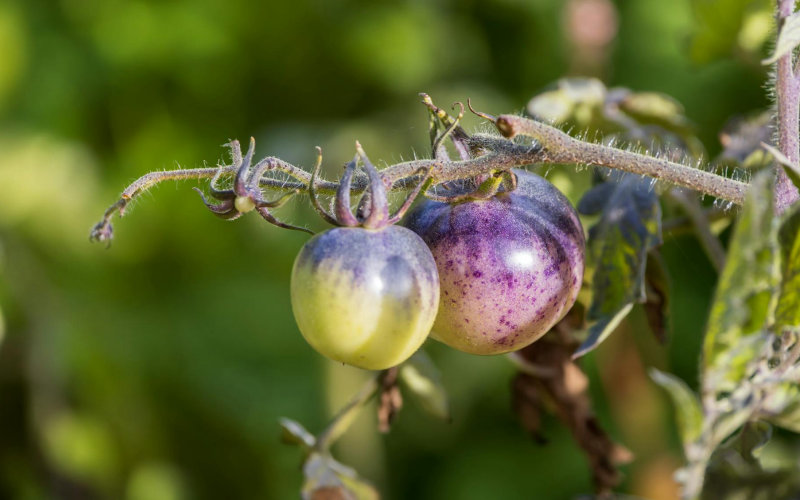
Photo by Yz ZZZ on Pexels