
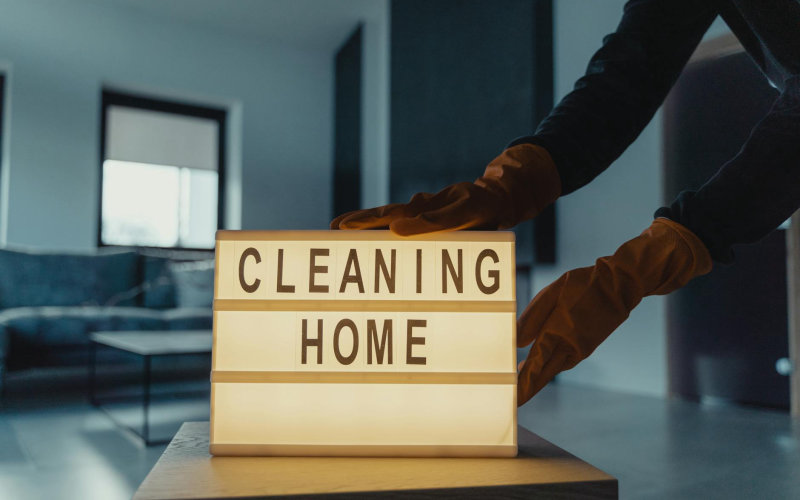

You scrubbed your kitchen last Tuesday. Every counter wiped down, dishes put away, no crumbs on the floor. And then Thursday morning you walk in and there’s a trail of ants marching across your spotless countertop like they own the place. So what gives?
Here’s the uncomfortable truth most pest guides won’t tell you: cleanliness is almost completely irrelevant to why ants choose your home. I’ve heard from hundreds of readers over the years who feel ashamed — like their ant problem is proof they’re bad housekeepers. It isn’t. Ants aren’t judging your cleaning habits. They’re responding to three things: moisture, temperature, and structural access points. That’s it.
Understanding this changes everything about how you fight back.
The Real Reason Ants Are in Your House
Ants are scouts. A single ant doesn’t wander into your home randomly. It’s been sent — chemically directed — by a colony that could be anywhere from 10 feet to 100 feet away. Their job is to find resources and report back.
What qualifies as a resource? Water, warmth, and occasionally food. But mostly water. Argentine ants, which are responsible for roughly 70% of residential ant complaints in California according to UC Davis entomology research, are almost always hunting moisture first. Your kitchen drain, a tiny drip under your bathroom sink, condensation on a cold pipe. that’s what pulls them in.
Clean or dirty doesn’t enter the equation. A spotless home with a slow faucet drip is more attractive to ants than a crumb-covered floor in a dry house.
Why Your “Clean” Home Might Actually Be More Vulnerable
This is the part that surprises people. Certain features of a well-maintained modern home actually make it easier for ants to invade. Sealed windows, good insulation, consistent indoor temperatures, these create exactly the warm, stable microclimate ants want to nest near.
And newer caulking? It shrinks. A bead of silicone caulk applied in 2022 around your window frame has likely developed micro-gaps by now. Ants don’t need much. Odorous house ants. the small brown ones that smell vaguely like coconut when crushed, can squeeze through a gap smaller than 1mm.
So your tidy, climate-controlled home with its aging caulk seals is actually a prime target.
How to Find the Entry Points Before Ants Do
Walk your home’s perimeter on a dry morning. Look for three things: gaps where utility lines enter the foundation, cracks in the mortar or sealant around windows and doors, and any spot where soil sits directly against your siding.
Inside, run your hand along the baseboards in your bathroom and kitchen. Feel for any subtle temperature difference or faint air movement. That’s a draft. and wherever air gets in, ants can follow.
Mark every spot with a piece of painter’s tape. Then seal it. A $6 tube of DAP silicone caulk from any hardware store handles most of these. Takes about 45 minutes for a typical house. I did this on my own place last spring after finding a trail running straight through a gap behind the washing machine hookup, sealed it, problem gone in four days.
The Moisture Fix: Easiest Win You’re Probably Skipping
Check under every sink in your house right now. Not tomorrow. Now. A slow drip that’s been going for three weeks has likely already attracted scouts. Dry it completely, fix the drip, and then leave a piece of dry paper towel under the pipe for 48 hours. If it’s damp when you check it, you’ve got a leak you didn’t know about.
Bathroom exhaust fans matter here too. If your fan doesn’t actually vent to the outside. some older homes just recirculate air into the attic, you’re creating a humidity hotspot that ants love. Easy fix: run the fan 20 minutes after every shower and crack a window if you can.
Dehumidifiers in crawlspaces and basements are underrated. A basic $40 mini dehumidifier running in a damp basement cuts ant activity significantly, especially for moisture-seeking species like pavement ants.
Simple Home Treatments That Actually Work
Forget the sprays that kill visible ants. You’re only killing scouts. The colony doesn’t care.
What works is bait. slow-acting bait that scouts carry back to the colony. Terro liquid ant bait (the little plastic stations, about $7 for a pack of six) works on odorous house ants and sugar ants extraordinarily well because it uses borax, which kills gradually enough that workers share it. Place stations directly on active trails. Don’t disturb the trail. Yes, it looks horrifying for 24 to 48 hours as ants swarm the bait. That’s the process working.
For trails around entry points, diatomaceous earth is your best friend. It’s food-grade, non-toxic to pets and kids, and costs about $12 for a big bag. Sprinkle a thin line across ant trails and around any entry point you found. It works mechanically, microscopic sharp particles damage the ants’ exoskeletons. No chemicals needed.
Peppermint oil diluted in water (about 15 drops per cup of water in a spray bottle) disrupts ant pheromone trails when sprayed along baseboards and entry points. It won’t kill them, but it scrambles their communication and makes your home feel hostile. Reapply every three days for two weeks.
What to Do If Ants Keep Coming Back Every Season
Some ant species are genuinely seasonal. Carpenter ants in the Northeast become active every spring like clockwork. If you’re seeing them return in the same spots year after year, the issue is structural, not behavioral.
Look for soft wood. Carpenter ants don’t eat wood the way termites do, but they nest in wood that’s already been softened by moisture damage. Check your deck boards, window frames, and any wood that contacts soil. Probe with a screwdriver. If it sinks in easily, you’ve got rot. and likely a nest.
Replace the damaged wood, treat with a borate-based product like Timbor ($18 for a small bag, mixed with water and brushed on), and seal the area. That’s a permanent fix, not a seasonal spray.
What I’d Do If I Were Starting Fresh
Stop treating ant problems as a cleanliness issue. Start treating them as a structural and moisture issue. Those two angles solve 80% of residential ant infestations without any pesticide stronger than borax bait.
Seal your entry points this weekend. Fix any moisture source you find. Lay borax bait stations on active trails. Dust diatomaceous earth at the perimeter. That four-step approach, using tools that cost under $50 total, is genuinely more effective than calling a pest company for a routine spray, which often just pushes the colony to a different part of your wall.
You’re not dirty. Your house just has a gap somewhere, and something nearby is wet. Fix those two things, and the ants will find somewhere else to be.
Photo by Tima Miroshnichenko on Pexels