

I killed my first perennial garden in 2011. Dropped about $400 on plants, dug everything in wrong, watered on a panicked, completely random schedule, and by September I had a patch of sad sticks where coneflowers were supposed to be. Total disaster.
But here’s the thing—perennials are genuinely forgiving once you figure out what they actually want. The mistake most people make isn’t buying the wrong flowers. It’s treating a perennial garden like an annual bed. Constantly fussing, replanting, rearranging. Perennials need you to set them up well once and then mostly get out of the way.
This guide is built for real gardeners with real lives. People who work, have kids, travel, forget to water for two weeks. Done right, your garden will bloom from late March through November with maybe three hours of maintenance per month.
Start With Your Soil (And Don’t Skip This Part)
Boring, I know. But this is where every low-effort garden either wins or loses before a single plant goes in.
Most perennials want well-draining soil with a pH somewhere between 6.0 and 7.0. Get your soil tested—your local cooperative extension office will do it for around $15 to $20, and the results tell you exactly what amendments to add. I used my county extension service back in 2019 and found out my beds were sitting at pH 5.2, which explained why nothing I planted in that corner ever looked remotely happy.
Work in 3 to 4 inches of compost before planting. If your soil drains poorly, build your beds up 6 inches above grade. You’re not fixing drainage problems with a fancier watering schedule. You’re fixing them with good soil structure from day one.
Choose Plants That Carry Different Seasons
This is the actual strategy behind a three-season perennial garden. You’re not hunting for one great plant. You’re stacking bloom times so something is always putting on a show.
Spring (March through May): Creeping phlox, bleeding heart, and Siberian iris are your workhorses. Hellebores are criminally underused—they’ll bloom in February in zones 6 and warmer, and deer won’t touch them.
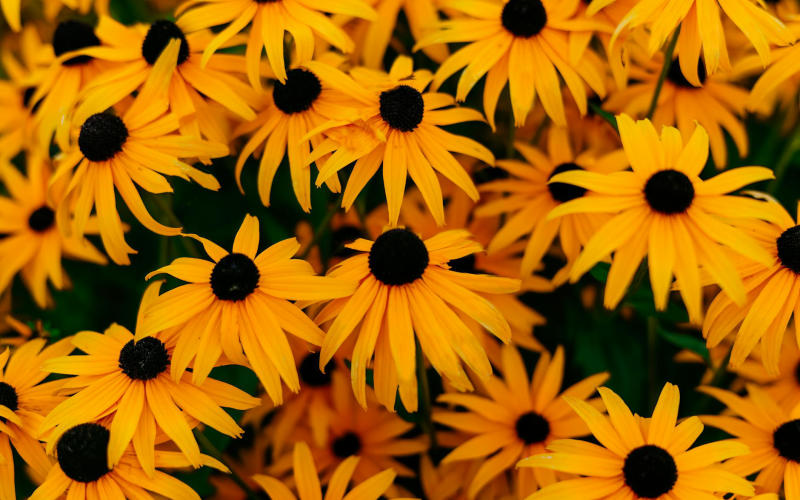
Summer (June through August): Echinacea purpurea (purple coneflower) is the backbone of countless low-maintenance gardens because it blooms for 6 to 8 weeks, shrugs off drought, and feeds goldfinches after the petals drop. Pair it with black-eyed Susans and Salvia nemorosa ‘Caradonna’—that specific salvia variety reblooms if you cut it back after the first flush.
Fall (September through November): This is where most beginner gardens go completely quiet. Don’t let yours. Plant Rudbeckia ‘Goldsturm’ (which technically bridges summer and fall), asters, and Sedum ‘Autumn Joy’. The sedum shifts from pink to deep copper-red by October and looks stunning even after frost hits.
The Rule of Three for Plant Spacing
Here’s a mistake that costs people years of frustration. Planting too close together because the garden looks sparse at first.
Perennials spread. That’s kind of their whole deal. A coneflower clump that looks lonely at 18 inches wide in year one will hit 36 inches by year three. Crowd them and you’ll spend your summers dividing and battling for airflow, which invites disease.
Plant in odd numbers—groups of 3, 5, or 7 of the same variety. Space according to the plant’s mature width, not its current size. Yes, your new garden will look a little thin that first summer. Mulch the gaps, be patient, and by year two you’ll have exactly the dense, lush look you were after.
Mulch Is Your Best Employee
Four inches of shredded hardwood mulch does more for a low-maintenance perennial garden than almost anything else you can do. It knocks down weeds (which is most of your maintenance if you skip it), regulates soil temperature, and holds moisture so you’re watering far less often.
Apply it in spring before weeds germinate. Keep it an inch away from plant stems to prevent rot. I refresh mine every other year—a single load of bulk mulch from a local supplier runs around $40 to $60 and covers about 200 square feet at 4 inches deep. Buying bags from a garden center for the same area? You’re looking at $150 or more.
And don’t overlook wood chip mulch from a local tree service. Many companies give it away free through apps like ChipDrop. Wood chips break down slowly and actually improve your soil structure as they decompose, so you’re getting two benefits for free.
Design for Structure, Not Just Color
A gorgeous garden in June that looks like a wasteland in August is a design problem, full stop. Structure fixes it.
Mix plant heights deliberately—ground-huggers like ajuga and creeping thyme up front, mid-height perennials in the middle, tall statement plants like Joe Pye weed or Russian sage toward the back. Keep taller plants on the north side of your beds so they don’t shade out everything shorter.
Also plan for foliage, not just flowers. Hostas don’t bloom much, but their leaves carry a bed through the dull stretches between bloom cycles. Ornamental grasses like Karl Foerster feather reed grass add movement and winter interest even when everything else has died back completely.
The Annual Maintenance Rhythm That Takes Almost No Time
So what does “low maintenance” actually look like on the ground?
Early spring: Cut back dead stalks from last year (if you didn’t in fall), divide anything overcrowded, top-dress with compost.
Late spring: Apply mulch. That’s it.
Midsummer: Deadhead your reblooming varieties (salvia, coneflower) once. Give one deep watering if you’ve had less than an inch of rain over two weeks.
Fall: Cut back about half your plants if you want things tidy. Leave the rest—seed heads feed birds through winter, and hollow stems shelter native bees.
That’s genuinely it. Maybe 10 to 12 hours total across the full year for a 200-square-foot bed.
Bottom Line
Here’s something I rarely see anyone say, and I’ve read a lot of gardening advice over the years: most people build perennial gardens backward. They start by picking flowers they love—completely natural, honestly—and then try to force those flowers to work in their specific conditions. That approach means constant struggle.
The smarter move is to start with your worst conditions. Got a dry slope? Build your whole garden around that limitation first. Baptisia, catmint, drought-tolerant sedums. Then layer in what you love around those anchors. Suddenly your garden stops being something you fight and becomes something that mostly runs itself, which is the actual goal.
The plants that thrive with zero effort in your yard are the ones nature already agrees belong there.
Frequently Asked Questions
How long does it take for a perennial garden to look established?
Most perennial gardens hit their stride in year three. Year one they sleep, year two they creep, year three they leap—it’s an actual old gardening saying and it holds up. Set your expectations accordingly and you won’t lose heart during that first sparse summer.
What’s the best low-maintenance perennial for a beginner?
Echinacea purpurea, no question. It handles drought, poor soil, and flat-out neglect better than almost anything else, blooms for two months, and comes back reliably for decades. A 2017 study by the Chicago Botanic Garden ranked it among the top 10 most resilient perennials across Midwest growing conditions.
Do I need to divide perennials every year?
No. Most perennials need dividing every 3 to 5 years, usually when the center of the clump starts dying out or flowering drops off. Hostas can go even longer. Division anxiety is real but mostly unnecessary—stop worrying about it.
Can I have three-season blooms in a shady garden?
Absolutely. Hellebores (spring), astilbe (summer), and toad lily or Japanese anemone (fall) will carry a shady garden across all three seasons beautifully. And shade gardens are genuinely easier to maintain than full-sun beds because weeds have a much harder time getting established under that canopy.
Photo by Shannon Deans on Pexels