
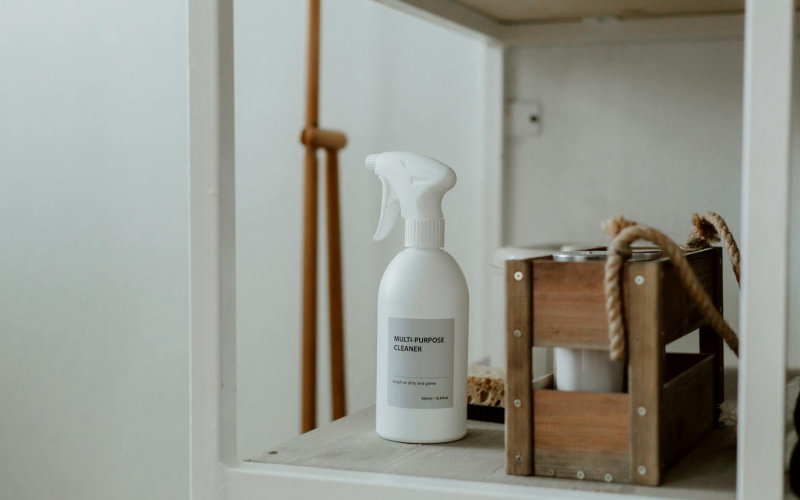

I spent three years dragging the same plastic bin from bathroom to kitchen to bedroom, wondering why cleaning felt like such a grind. The supplies were always wrong for whatever room I was in. Spray bottles leaked on each other. I’d finally get to the bedroom and realize the glass cleaner was still sitting downstairs. Sound familiar?
Here’s what nobody tells you when you’re cobbling together a cleaning routine: one caddy for the whole house is the problem, not the solution. A rotating caddy system—different zones, different tools, already staged and waiting—can cut your actual cleaning time by 30 to 40 percent. Not because you’re working harder. Because you stop hemorrhaging eight minutes every single session hunting for the right brush.
We’re going to build that system from scratch here. Real products. Real numbers. No padding.
Why a Rotating Caddy System Works Better Than One Central Bin
The logic isn’t complicated. You don’t use the same tools in a bathroom as you do in a kitchen. Grout brushes have no business sitting next to your wood-polish cloths. And when everything lives in one bin, you’re either packing and unpacking constantly or hauling a 12-pound caddy up and down stairs all day like some kind of cleaning pack mule.
This whole rotation concept comes from professional housekeeping services—Molly Maid, MaidPro, outfits like that—who train staff to stage supplies zone by zone specifically because it shaves real time off each visit. A 2019 cleaning industry productivity report found that pre-staged supply zones cut room-to-room transition time by an average of 6.4 minutes per session. That’s nearly 45 minutes a week for someone cleaning daily. Per week. Gone.
So instead of one overloaded caddy, you’ll end up with two or three light-duty caddies parked in their assigned areas, plus one portable grab-and-go kit for quick spot work anywhere in the house.
How to Divide Your Home Into Cleaning Zones
Don’t overthink this part. Most homes break cleanly into three areas: wet zones (bathrooms and kitchen), dry zones (bedrooms and living areas), and utility zones (laundry room, garage, mudroom).
Wet zones need disinfectants, scrubbing tools, and microfiber cloths you don’t mind getting genuinely grimy. Dry zones call for dusters, polish, and gentle glass cleaner. Utility zones need heavier degreasers and a brush that can handle tracked-in mud and whatever else comes through the door.
If you’re in a single-story apartment, two caddies is probably enough—one rotating between your bathroom and kitchen, one parked in the main living space. Two-story home? Three caddies hits the sweet spot. I’ve watched people go overboard building five or six and then abandoning the entire system by month two because maintaining the caddies became its own chore. Keep it manageable.
Building Your Wet Zone Caddy (Bathroom + Kitchen)
This one works the hardest, so stock it accordingly. You want a 32 oz. spray bottle of disinfectant cleaner (I use Method Bathroom or Seventh Generation’s tub-and-tile spray), a toilet brush that actually fits your toilet bowl, a grout brush, two microfiber cloths, a pack of paper towels for the truly revolting jobs, and a pumice stone for hard water rings.
For the kitchen side of this same caddy, add a degreaser spray. Bar Keepers Friend in powdered form is still one of the best things in existence for stainless steel—just accept it and move on. Grab a stiff-bristled scrub brush too. Keep the kitchen and bathroom stuff separated inside the caddy with a small ziplock bag or a simple divider.
But here’s something I learned the hard way: don’t store sponges in the caddy. They get disgusting sitting in that enclosed space. Keep them at the sink and swap them out weekly.
What Goes in Your Dry Zone Caddy (Bedrooms + Living Areas)
Dry zones need fewer products but more variety in the actual tools. A good extendable duster (the Swiffer 360 with the extended handle is genuinely worth the $12), a microfiber flat cloth for furniture surfaces, a fabric-safe upholstery brush, and one small spray bottle of diluted wood cleaner or polish.
And that’s basically it. The mistake people consistently make here is loading up too much. You don’t need six different sprays to clean a bedroom. Dust it, wipe the surfaces, done.
Here’s the specific detail most guides skip right over: label your dry zone bottles with the dilution ratio written in Sharpie directly on the bottle. I know it sounds neurotic. But six months from now when you’re refilling on autopilot at 6am, you will genuinely thank yourself.
The Grab-and-Go Spot Cleaner Kit
This is the secret weapon of the whole setup. Small caddy or even a handled tote—mine is a canvas bag with a few pockets I grabbed from IKEA for $3.99 back in 2022. It holds a multi-surface spray, two microfiber cloths, a lint roller, and a small bottle of carpet spot cleaner. Use Folex. It’s the best carpet spray I’ve ever touched and it’s about $8 at Walmart. Just get it.
This kit lives on a kitchen shelf or a mudroom hook. It’s not for deep cleaning sessions. It’s for the coffee spill at 7am, muddy dog paw prints on a Tuesday, the mystery streak on the mirror twenty minutes before guests arrive.
Having it staged somewhere visible means you actually reach for it instead of letting small messes quietly compound into big ones.
How to Maintain the Rotation (Without Letting It Fall Apart)
The system dies when supplies run out and nobody replaces them. So every Sunday—or whatever your reset day looks like—spend five minutes doing a quick caddy check. Spray bottles getting light? Refill them. A cloth end up in the wrong zone somehow? Put it back.
Set a phone reminder on the first of each month that just says “caddy restock.” Once a month, actually open the caddies and pull out anything worn out. A shredded microfiber cloth doesn’t clean anything—it just smears stuff around and makes you feel like you’re accomplishing something when you’re not.
The whole check runs under 10 minutes. But those 10 minutes are exactly what separates a system still humming in November from one that got quietly abandoned in March.
Bottom Line
Here’s something I genuinely haven’t seen anyone say outright: the real purpose of a rotating caddy system isn’t organization. It’s decision fatigue reduction. Every time you think “wait, where did I put the glass cleaner?”—that’s a small mental tax. And cleaning already carries a motivational barrier built right into it. The caddy system strips away friction at the exact moment your brain is actively hunting for an excuse to quit. So the cleaning gets done—not because you suddenly became more disciplined, but because the path of least resistance now runs through the task instead of around it. That’s the actual payoff.
Frequently Asked Questions
How many caddies do I actually need to start?
Two. One for wet zones, one for dry. Add the grab-and-go kit when you’re ready, but honestly, two caddies will already change how cleaning feels.
What’s the best caddy brand for a rotating system?
The Sterilite plastic caddies (around $6-9 at Target) are genuinely durable and wide enough to hold full-size spray bottles upright without tipping. Simple, cheap, and they actually hold up.
Should each family member have their own caddy?
Not for cleaning supplies—that just creates redundancy and waste. If multiple people clean different zones, assign the caddy to the zone, not the person.
How do I keep cleaning cloths from mixing zones?
Color-code them. Red microfibers for bathrooms only. Blue for the kitchen. Yellow for dry zones. A 24-pack of assorted microfiber cloths from Amazon runs about $14 and solves this problem permanently.
Photo by Ron Lach on Pexels