
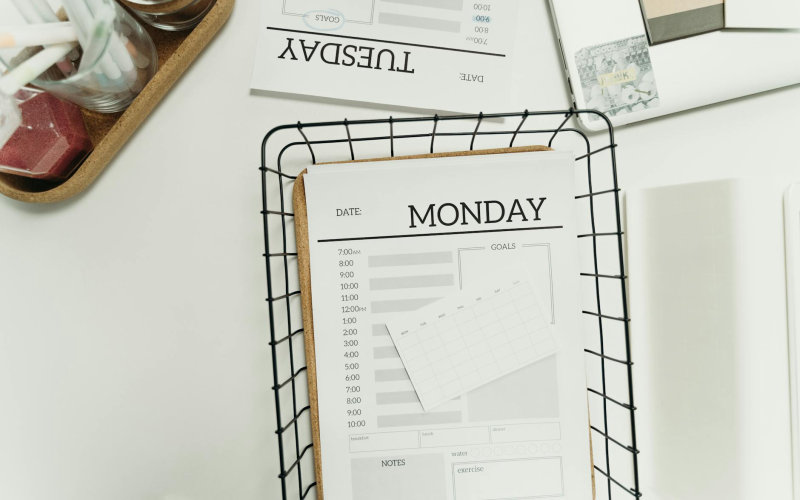

I’ve tried every cleaning system imaginable. Color-coded binders. Apps. A $40 planner from Target that sat on my nightstand collecting dust for three months straight. None of it worked—not until I stopped trying to scrub the entire house on a single Saturday and started thinking room by room, day by day.
Here’s what nobody actually tells you: most cleaning schedules fail not because you’re lazy, but because they’re designed for some mythical person with three free hours on a Tuesday afternoon. Your schedule has to fit your real life. Not the life you think you should be living.
So whether you’re pulling a weekly cleaning schedule by room printable off Pinterest or cobbling one together in a Google Doc, this guide walks you through making it actually stick.
Start With an Honest Audit of Your Time
Before you assign a single task to a single day, sit down and get brutally real with yourself. How many minutes do you genuinely have on a Monday night after work? Fifteen? Twenty? That’s completely fine. That’s enough for one room done properly.
I went through this exercise back in 2021—working from home, two kids underfoot—and realized I’d been penciling in 45-minute cleaning blocks on days I had maybe 10 minutes of actual capacity. No wonder I quit every week without fail.
Write out your week. Not the fantasy version. The real one. Then slot cleaning days around your actual commitments, not your aspirational ones.
Assign One Room Per Day (Seriously, Just One)
This was the single biggest shift that made cleaning feel manageable for me. Monday is the kitchen. Tuesday is the bathrooms. Wednesday is the living room. You see where this goes.
Spreading it out means no single day feels like a punishment. And here’s the thing—most rooms don’t actually need more than 20 to 30 minutes of focused attention per week, assuming you’re maintaining them between sessions. The kitchen might push to 40 minutes. But the guest bedroom? Fifteen, tops.
A solid baseline schedule looks something like this: Monday (kitchen), Tuesday (bathrooms), Wednesday (living room and hallways), Thursday (bedrooms), Friday (floors throughout the house). Leave the weekend loose—either catch up on anything you missed or tackle deeper tasks like wiping down baseboards.
But shuffle it however you need to. If Fridays destroy you, move floors to Sunday morning while you drink your coffee. The room-by-room structure is what matters here, not which specific day lands where.
Build Your Printable Around Tasks, Not Vibes
A schedule that just says “clean kitchen Monday” isn’t really a schedule. It’s a suggestion. Your weekly cleaning schedule by room printable needs specific tasks listed under each room so you know exactly what “done” looks like when you get there.
For the kitchen, that might mean: wipe counters, clean stovetop, scrub sink, wipe appliance exteriors, mop floor, take out trash. Six tasks. Doable in 30 minutes if you’re not doomscrolling between each one.
For bathrooms: scrub toilet bowl, wipe toilet exterior, clean mirror, wipe counter and sink, scrub tub or shower, mop or wipe floor. That’s it. You don’t need to reorganize the cabinet under the sink every Tuesday—save that for a monthly deep-clean list.
Specificity matters more than you’d think. Vague tasks create decision fatigue, and decision fatigue creates procrastination. Checking off six concrete things feels genuinely satisfying in a way that “clean bathroom” never, ever does.
Use a Printable You Can Actually See
Digital reminders are great until they’re not. A 2019 study from Princeton Neuroscience Institute found that physical clutter—including cluttered phone notifications—actively competes for your attention and tanks your ability to focus. The same logic applies to your cleaning schedule.
Print the thing. Stick it on the fridge, or the inside of a cabinet door—somewhere you’ll actually see it at the exact moment you’d otherwise space it out completely.
There are good free options at The Homes I Have Made, Clean Mama’s website, and A Bowl Full of Lemons. All free, all reasonably attractive, all flexible enough that you won’t feel like you’re just executing someone else’s life plan. Honestly, though? A handwritten version on notebook paper works just as well. I used one taped to my pantry door for four solid months.
Don’t Skip the “5-Minute Reset” Rule
Every single day. Five minutes. This is the ingredient most cleaning schedules forget entirely.
We’re not talking about a cleaning session—it’s a maintenance blitz. Pick up anything that’s out of place. Wipe the kitchen counter after dinner. Fold the throw blanket on the couch. These small resets mean that when Monday rolls around and you’re doing your actual kitchen clean, you’re not starting from catastrophe.
Think of your weekly schedule as the foundation. The daily 5-minute reset is what keeps that foundation from cracking under you.
Adjust for Your Actual Household Size
A two-bedroom apartment with one adult is not remotely the same situation as a four-bedroom house with three kids and a dog. Your schedule shouldn’t pretend otherwise.
If your kids are old enough to hold a Swiffer—and most 6-year-olds genuinely can—assign them a room. Make it their room. A 2020 Braun Research survey found that 82% of adults who had regular chores as children reported a stronger sense of responsibility later in life. So you’re not just cleaning your house. You’re doing actual parenting. You’re welcome.
For bigger households, consider splitting certain rooms across two days. Large kitchen? Monday handles counters and appliances; Thursday gets the floors and fridge. No rule says every room gets exactly one day per week.
Review and Tweak Every Single Month
Your life shifts. Your schedule should shift with it. What worked beautifully in January when the kids were in school might completely unravel in July when everyone’s home generating twice the mess at twice the speed.
Set a recurring monthly reminder—just a basic phone alarm—to look at your schedule and honestly ask: what’s working, what’s not, and what do I keep skipping? That last question is the most important one. If you skip the same task every single week without exception, it either needs to move to a different day or get cut from the list entirely.
And that’s genuinely okay. A cleaning schedule isn’t a moral document. It’s a tool. Tools get adjusted when they stop working.
Bottom Line
Here’s something I haven’t seen anyone actually say out loud: the best cleaning schedule isn’t the one that cleans your house most thoroughly. It’s the one that keeps you from ever having to do a massive, demoralizing catch-up session. The goal isn’t a perfect house—it’s a house that never gets bad enough to feel overwhelming. Because that feeling of overwhelm is what kills every system you’ve ever attempted. Sustainable beats spotless. Every single time.
Frequently Asked Questions
How long should a weekly room-by-room cleaning session actually take?
Per room, aim for 20 to 40 minutes depending on size and how heavily the space gets used. Bathrooms are usually fastest. Kitchens take the longest. If you’re consistently running past 45 minutes, you’re probably folding monthly deep-clean tasks into your weekly sessions—pull those out onto a separate list.
Should I use a printable schedule or a digital one?
Both work, but physical printables tend to stick better simply because they’re visible without you having to open an app and remember to check it. Put it somewhere obvious—fridge, inside a cabinet, bathroom mirror. Digital works fine if you’re genuinely someone who lives on your phone and actually responds to reminders.
What if I miss a day on my weekly cleaning schedule?
Skip it. Don’t try to double up the next day. Just pick back up wherever you are. Missing one Tuesday bathroom clean isn’t going to ruin your home—trying to cram two days of cleaning into one session is exactly what causes burnout and total system abandonment.
Can I customize a free printable or do I need to make my own?
Free printables from sites like Clean Mama or A Bowl Full of Lemons are editable in most cases, or you can print and handwrite your specific tasks right over them. Building your own in Google Sheets or Word takes maybe 20 minutes and means it’s designed around your actual rooms and tasks from the very beginning.
Photo by cottonbro studio on Pexels