
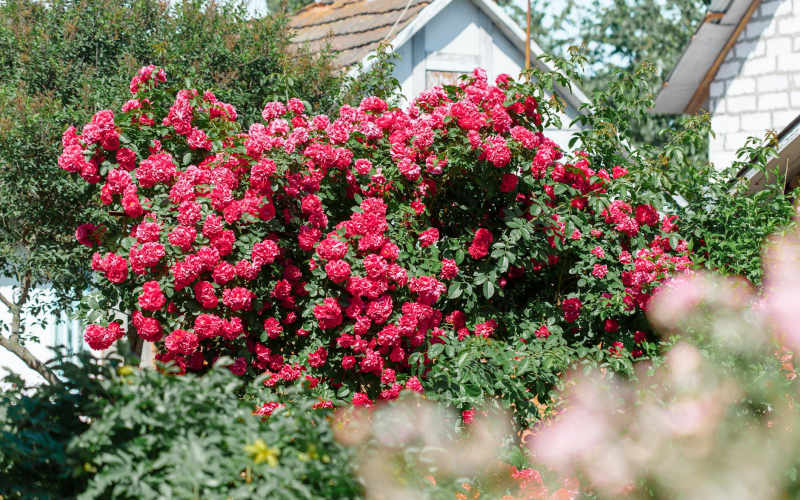

I found mouse droppings in my wall cavity three years ago. Not a fun Tuesday morning. And the worst part? My yard looked completely fine — tidy lawn, decent shrubs near the foundation, some decorative wood pieces by the porch. Turns out I’d basically constructed a rodent welcome center without noticing a single thing wrong.
Here’s what most pest control articles skip over: rodents don’t just wander in randomly. They follow food, cover, and pathways — and your landscaping hands them all three. The National Pest Management Association’s 2022 data puts roughly 21 million American homes in the rodent-invasion column every winter. That’s not bad luck. That’s mulch placement and bird feeders.
So before you blame your neighbor’s chaotic yard, check yours first. These seven mistakes are ones I see homeowners repeat constantly, and every single one is fixable this weekend.
1. Shrubs and Bushes Touching Your Foundation
This is the big one. The absolute classic.
When ornamental shrubs grow flush against the house — pressing into the siding, sprawling across vents, crowding the foundation — you’ve built a hidden highway. Rats and mice use dense vegetation as cover while they work the perimeter looking for entry points. They’re prey animals. Open ground terrifies them. Give them a leafy tunnel straight to your foundation wall and they’ll use it every night without hesitation.
The fix is a 2-foot clearance zone. No vegetation, no mulch piled against brick or siding — just gravel or bare ground. It won’t win any garden design awards. But it forces every rodent to cross open space where predators (and you) can actually spot them.
2. Ivy and Ground Cover Growing Up Your Walls
English ivy looks gorgeous. Photographs beautifully. It also houses entire rodent families if you let it climb your exterior walls unchecked.
I pulled back a section of overgrown ivy from a client’s garage wall in 2021 and found a Norway rat nest the size of a basketball — built right into the woody base where the vines met the foundation. Perfect insulation, total darkness, natural camouflage. The rats hadn’t needed anything else.
Ground cover plants like vinca, pachysandra, and creeping juniper pull the same trick at soil level. They’re thick, dense, and rodents tunnel underneath them freely. Got a 4-inch layer of ground cover within 3 feet of your home? Worth reassessing.
3. Bird Feeders Within 20 Feet of the House
You’re not feeding birds. You’re feeding everything.
Bird seed that misses the feeder hits the ground. Sunflower shells, millet, cracked corn — mice go absolutely crazy for all of it. A 2019 University of Nebraska Extension study found that homes with feeders placed close to the foundation showed significantly more rodent activity than homes with feeders farther out or removed entirely.
Move feeders at least 20-30 feet from the house. Use a catch tray. Clean up spilled seed weekly. Or take a season off entirely — your birds will survive, I promise. The chickadees aren’t nearly as dependent on you as you think.
4. Firewood Stacked Against the House
Firewood stacks are basically rodent condominiums. Warm, dry, riddled with gaps, completely undisturbed for weeks at a stretch.
Roof rats (Rattus rattus, the climbing species) love a good wood pile. Stack one against your house and you’ve given them a home and a direct ladder to your roofline, your eaves, and eventually your attic. Researchers at the University of Florida’s IFAS Extension explicitly list wood piles touching structures among the top five harborage sites documented in residential pest inspections.
Stack wood on a raised platform — at least 18 inches off the ground, 20 feet from the house. Yes, it’s less convenient. But you’ll appreciate that inconvenience in February when you’re not lying awake listening to scratching behind your bedroom wall.
5. Overgrown Grass and Neglected Garden Beds
Tall grass is a rodent freeway. Full stop.
Mice need cover to move. Once grass climbs past 4-5 inches, they can cross your entire yard without ever breaking into open air. Long grass near the foundation means they can approach it completely hidden. Same problem with weedy, neglected garden beds — dead plant material piled up serves as both shelter and nesting material, which is basically free real estate.
Mow regularly. Cut back dead perennials in fall rather than leaving them standing all winter. And keep a 12-inch mowed border around your home’s perimeter specifically. It sounds fussy, but it creates a genuine detection zone that makes mice uncomfortable and gives hawks and owls something to work with.
6. Fruit Trees and Berry Bushes Too Close to the Foundation
Fallen fruit is a five-star rodent meal. And nobody picks it up fast enough.
If you’ve got an apple tree, pear tree, or any variety of berry bush within 15 feet of the house, fallen fruit is hitting your yard constantly from August through October. Mice can smell it from 50 feet away — their olfactory ability is genuinely remarkable. They come for the fruit and stay for the foundation gaps they find along the way.
Pick up fallen fruit every 2-3 days during harvest season. Or transplant that ornamental crabapple farther from the house — I know it’s a project, but one serious rodent infestation runs $3,000-$8,000 in remediation and structural repair. That context tends to make a little landscaping work feel pretty reasonable.
7. Decorative Mulch Piled High Against the Foundation
Thick mulch against your foundation is one of those landscaping mistakes nobody warned you about — because it looks so deliberate and tidy.
But a 4-6 inch mulch ring pressed right against your siding retains moisture (which softens wood and creates entry points), provides thermal insulation for nesting, and gives mice the cover they need to gnaw completely undetected. Cedar mulch has some mild repellent properties, sure, but nowhere near enough to offset the problems caused by volume and placement.
Keep mulch 6 inches away from your foundation and no deeper than 2-3 inches near the house. Gravel or river rock is a better material choice within that 12-inch buffer zone anyway.
Bottom Line
Here’s something nobody talks about enough: the real problem isn’t any single mistake — it’s the combination. One overgrown shrub near the foundation is manageable. Add a bird feeder 10 feet away, a woodpile along the side wall, and thick mulch pressed against the siding? Now you’ve built a complete ecosystem. Food, cover, travel routes, nesting sites — all of it. Rodents are exceptionally good at finding systems that work for them, and yards that check multiple boxes will always pull more pressure than yards with just one weak point. Fix everything at once, not one item at a time.
Frequently Asked Questions
How quickly can rodents find new landscaping changes to exploit?
Faster than you’d think. Mice maintain territory maps of their local area and typically scout new food sources or harborage sites within 2-3 nights of a change. So if you just dropped a woodpile near the house or planted a dense new shrub, assume they’ve already clocked it.
Does having a dog or cat actually deter rodents from your yard?
Somewhat, but not reliably. A 2015 study published in Pest Management Science found that cat presence reduced rodent activity near structures by about 20% — meaningful, but nowhere near elimination. Outdoor cats don’t solve landscaping mistakes attracting rodents; they just apply mild, inconsistent pressure.
What time of year should I audit my landscaping for rodent risks?
September and October are critical. That’s when temperatures drop and rodents shift from foraging broadly outdoors to actively hunting warm overwintering sites. Fix your yard in August before the pressure spike — not after you start hearing something moving inside your walls.
Can I use plants as a natural rodent deterrent in my landscaping?
Mint, lavender, and daffodil bulbs get cited often, and they have some anecdotal support. But honestly? Don’t lean on them as your primary strategy. They’re a fine addition, but a determined rat will walk straight through a mint border if there’s food and shelter waiting on the other side.
Photo by Julia Filirovska on Pexels