
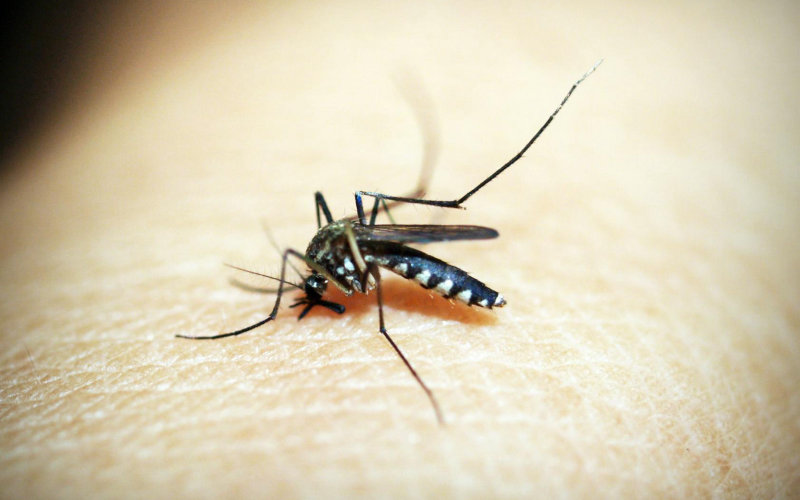

You bought the spray. You lit the citronella candle. You even slapped on that vitamin B patch your neighbor swore by. And you still came inside looking like you lost a fight with a waffle iron.
Here’s what nobody tells you: a lot of what people believe about repelling mosquitoes is flat-out wrong. Not just ineffective — actively counterproductive. Some of these myths give you a false sense of protection, which means you stop taking the steps that actually work. This summer, that’s a real problem, especially with mosquito activity running unusually high across the Southeast and Gulf Coast in 2026. So let’s fix your strategy.
Myth 1: Citronella Candles Create a Mosquito-Free Zone Around You
Citronella candles are everywhere. Hardware stores, patio sets, trendy outdoor dining spots. And they smell nice, which I think is the real reason people keep buying them.
But a 2022 study published in the Journal of Insect Science tested citronella candles against unscented candles and plain air — and found no statistically significant reduction in mosquito bites. Zero. The problem is concentration. The active citronella compound dissipates too quickly in open air to reach the threshold that actually deters mosquitoes. You’d need to be sitting inside a small enclosed space, essentially bathing in the smoke, for it to do much. On your back porch? It’s mostly decoration.
Myth 2: Eating Garlic or Vitamin B12 Repels Mosquitoes Through Your Skin
This one gets passed around every summer like it’s ancient wisdom. The idea is that consuming garlic or taking B12 supplements makes you smell unappealing at the skin level. It sounds logical. It isn’t.
Multiple controlled trials — including one run by the University of Connecticut in 1990 that’s been replicated several times since. found no measurable difference in bite rates between people who took B vitamins and those who didn’t. Same result with garlic. Your body metabolizes these compounds in ways that don’t meaningfully change your skin’s chemical signals to mosquitoes. And what ARE those signals? Carbon dioxide, lactic acid, body heat. You can’t eat your way out of that.
Myth 3: Higher DEET Concentration Always Means Better Protection
So DEET works. That part is true. But a lot of people assume that 100% DEET is twice as effective as 50%. It isn’t quite that simple.
The real difference between concentrations isn’t effectiveness, it’s duration. A product with 10% DEET protects you for roughly 2 hours. Thirty percent gets you close to 6 hours. Beyond 50%, the protection window stops increasing significantly, while skin absorption risks go up. For most backyard situations, 20-30% DEET applied correctly is genuinely all you need. Save the 98% formulas for deep wilderness trips where you won’t be reapplying for 8+ hours.
Myth 4: If You Don’t See Standing Water, Mosquitoes Can’t Breed Near You
This one puts people at risk because it makes them complacent. You think, “I don’t have a pond or a puddle, so I’m fine.”
But mosquitoes need almost nothing to breed. A bottle cap with water. The saucer under your flower pot. A clogged gutter with a quarter inch of debris and moisture. A child’s plastic toy left upside-down after rain. I walked my own backyard two summers ago and found seven separate breeding spots I’d been completely blind to. including inside a folded tarp. The rule I now use: if water can sit in it for 72 hours, it’s a breeding site. Dump it, flip it, or drain it weekly.
Myth 5: Bug Zappers Kill Mosquitoes Effectively
Bug zappers feel satisfying. That little zap, the blue light, it feels like you’re doing something. But here’s the uncomfortable truth most pest control guides won’t lead with: mosquitoes are not strongly attracted to UV light.
A 1996 study by the American Mosquito Control Association analyzed the insects killed by bug zappers over an entire summer. Mosquitoes made up less than 1% of the total. What you’re mostly killing are moths, beetles, and other insects that are completely harmless. or actually beneficial. If you want something that actively draws and kills mosquitoes using tools you can set up at home, a simple CO2 trap (dry ice placed in a dark container near a fan) is significantly more effective, because it mimics human breath.
Myth 6: Natural or “Plant-Based” Repellents Are Always Safer and Just as Effective
I get why this belief is appealing. Natural sounds better. Safer for kids, safer for skin, gentler on the environment. And some natural options do work.
But “natural” doesn’t automatically mean effective. Lemon eucalyptus oil (specifically the refined version, OLE, not the raw essential oil) is CDC-approved and genuinely works for about 2 hours. Picaridin, while synthetic, is also excellent and gentle enough for children over 2. Raw essential oils like lavender, peppermint, or tea tree? The evidence is thin. Very thin. A 2023 consumer report from the Environmental Working Group tested 14 popular natural sprays and found 9 of them provided less than 20 minutes of measurable protection. Twenty minutes. That’s not a repellent. That’s a placebo.
Myth 7: Applying Repellent Once Before Going Outside Is Enough
This might be the single most common mistake people make. They spray once, feel protected, and stay outside for four hours. Meanwhile, the repellent wore off after 90 minutes.
Repellent effectiveness degrades with sweat, water, and time. On a hot summer day, especially if you’re active or near a pool. you need to reapply. How often depends on the product: DEET-based sprays every 2-4 hours, OLE every 2 hours, picaridin every 3-4 hours. Keep a travel-size bottle on you. This single habit change, just reapplying on schedule. is probably the most impactful practical shift you can make right now.
Final Thoughts
The honest truth is that effective mosquito protection at home doesn’t require expensive gadgets or a complicated setup. Empty containers around your yard weekly, use a CDC-approved repellent at the right concentration, and reapply it on schedule. If you want a home trap, skip the zapper and use a fan pointed over a bowl of dry ice near your patio. These are cheap, easy, and they actually work.
What I’d push back on most is the idea that “natural” or “traditional” automatically means effective. I’ve seen people get three mosquito bites before their vitamin B patch had time to warm up. Trust the science, use the right tools at home, and stop relying on myths that feel comforting but leave you unprotected.
FAQ
Does eating certain foods actually repel mosquitoes?
No. Despite widespread belief, foods like garlic, onions, or vitamin B supplements don’t change your skin chemistry in ways that deter mosquitoes. Studies haven’t found any measurable reduction in bite rates from dietary changes.
What’s the best homemade mosquito repellent you can make yourself?
A fan-and-dry-ice trap is surprisingly effective for your yard. For skin protection, stick to store-bought OLE or picaridin products, DIY essential oil sprays wear off in under 20 minutes and provide unreliable protection.
How often should I check my yard for standing water?
After every rain, and at a minimum once per week during summer. Mosquitoes can complete their larvae stage in as little as 7-10 days, so weekly checks genuinely break the cycle.
Photo by icon0 com on Pexels