
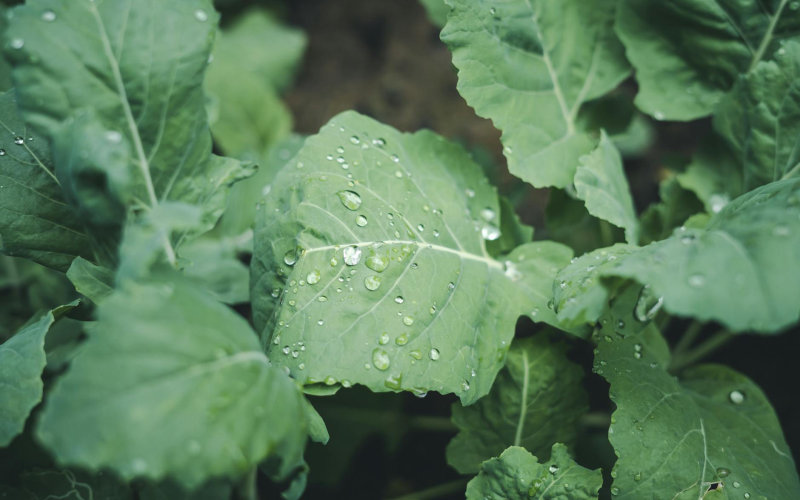

Most gardeners pack it in around September. The tomato cages come down, the dead bean plants get yanked, and everyone mentally clocks out until March. I did exactly that my first four years — and I left a staggering amount of food on the table. Or rather, in the ground where it never got planted.
Here’s what nobody tells beginners: fall is arguably better than spring for a whole category of vegetables. The soil still holds summer warmth, which speeds up germination dramatically. The air starts cooling down, which is precisely what these crops want. And the bugs? Mostly gone. You’re gardening on easy mode.
So if you’ve got open bed space and we’re somewhere between late August and mid-October (depending on your zone), you have time. More than you think. Here are seven vegetables that’ll give you a genuinely heavy harvest before the ground freezes solid.
1. Spinach
Spinach is probably the single fastest payoff crop you can drop into fall soil. ‘Bloomsdale Long Standing’ — one of the most dependable heirloom varieties around — goes from seed to harvest in roughly 40 days under decent conditions. Get it in when soil temps sit between 50°F and 65°F and it’ll absolutely sprint.
The trick most people miss? Succession planting. Don’t put all your seeds down at once. I plant a short row every 10 days starting in early September, which stretches the harvest window by close to a month. Sow about half an inch deep, rows 6 inches apart, thin to 3-4 inches once they’re up.
Spinach can handle a light frost — we’re talking 28°F — so even if an early cold snap rolls in, you’re probably fine. Drop it below 25°F and you’ll want row cover, but that buys you another two or three weeks without much effort.
2. Radishes
Fast. Stupid fast. ‘Cherry Belle’ radishes are ready in 22 days. Twenty-two. If you’re on the fence about whether fall gardening is worth the hassle, radishes are the crop that’ll convert you.
They need almost nothing. An inch of water per week, loose soil so the roots don’t crack and split, some sunshine. Direct sow half an inch deep and 1 inch apart, thin to 2 inches. That’s genuinely it — don’t overthink this one.
But here’s where fall radishes get interesting: you can also go with daikon or ‘Watermelon’ radishes, which take 50-60 days and are dramatically more substantial. A daikon can weigh over a pound. One pound, from a single root. Plant those in mid-August and you’ll be pulling them out in October, comfortably ahead of the first hard frost.
3. Kale
Kale actually gets sweeter after frost. This isn’t garden folklore — it’s chemistry. Cold temperatures push the plant to convert starches into sugars as a kind of natural antifreeze, and the result is leaves that are noticeably more tender and far less bitter than anything you’d cut in July.
‘Lacinato’ (you might know it as Dinosaur or Tuscan kale) and ‘Red Russian’ are the two I grow every fall without exception. Both are ready to start harvesting 55-65 days from transplant. Start seeds indoors in late July, move them out in August, and you’ll be cutting leaves well into November — sometimes December in Zone 6 and warmer.
You don’t harvest kale all at once either. Pick outer leaves, leave the center growth point alone, and the plant keeps pumping. One plant can give you multiple cuts over six weeks. That math adds up fast if you’ve got even a dozen going.
4. Arugula
Arugula bolts hard in summer heat. It turns bitter, flowers immediately, and becomes basically inedible. Fall is when arugula wants to grow — this is genuinely its season.
Direct sow ‘Astro’ or wild arugula about a quarter inch deep in broad bands rather than single rows (broadcast sowing works beautifully here). You’ll see germination in 5-7 days if the soil is still warm. Harvest as baby greens in 20-25 days, or let it go to full leaves around 40 days for that sharper, more peppery bite.
And unlike most greens, arugula handles hard frosts surprisingly well. I’ve pulled fresh arugula out from under light snow cover in late October and it was completely fine — slightly wilted, then bounced right back. Don’t underestimate it.
5. Turnips
Turnips are criminally underrated. I suspect people carry bad memories of mushy, overcooked turnips from childhood and never give the fresh version a real shot. A freshly pulled fall turnip roasted at 425°F with olive oil and salt is something else entirely — genuinely good.
‘Purple Top White Globe’ is the classic, ready around 55 days. ‘Hakurei’ — a Japanese salad turnip — comes in at 38 days and can be eaten raw, sliced thin like an apple. Plant half an inch deep, 1 inch apart, thin to 4 inches. Water consistently or they’ll go woody on you.
Here’s the bonus nobody talks about: turnip greens are excellent. You’re getting two crops from one planting. The greens come ready before the roots do — start harvesting them at 4-5 inches tall and the plant shifts its energy down into bulb development.
6. Lettuce
Not every lettuce variety is built for fall. You want something that tolerates both late heat and incoming cold — ‘Black Seeded Simpson’, ‘Winter Density’ romaine, or ‘Rouge d’Hiver’ are specifically bred for exactly this kind of shoulder-season growing.
Lettuce germinates poorly above 80°F soil temp, so if you’re planting in late August, water the bed thoroughly in the afternoon to cool things down before you sow. Small thing, noticeable difference. Keep the seeds barely covered — about an eighth of an inch — because lettuce actually needs some light to germinate well.
Inside a low tunnel or cold frame, lettuce will produce well into December even in Zone 5. The 2021 book The Winter Harvest Handbook by Eliot Coleman documents harvests from unheated tunnels in Maine (Zone 4b) straight through January. If he can pull that off in Maine, you can probably get through November wherever you are.
7. Asian Greens (Bok Choy, Mizuna, Tatsoi)
These three are arguably the most productive fall greens per square foot on this entire list. Tatsoi forms gorgeous low rosettes. Mizuna grows like a fountain of feathery leaves. Bok choy gives you that satisfying crunch that holds up in stir-fries when everything else goes limp.
All three are ready in 30-45 days. Sow in August or September, space plants 6 inches apart, and you can do a cut-and-come-again harvest — cut an inch above the soil line and they regrow. I pulled four full harvests off one mizuna planting last October. Four cuts from the same plants before the bed finally gave up and froze.
Bottom Line
Here’s something I haven’t seen written down anywhere, and it genuinely took me years of fall gardening to work out: the real value of cool-season vegetables isn’t just what you harvest — it’s what these crops do to next year’s soil. Their shallow, fibrous roots create channels that invite spring soil life back in. They add organic matter. And crops like arugula and turnips are mild biofumigants, meaning their decomposing plant tissue actively suppresses certain soil pathogens. So when you plant a fall garden, you’re not just feeding yourself this year. You’re quietly improving the bed for everything you’ll grow next spring. That’s a compounding return most gardeners completely miss.
Frequently Asked Questions
How late is too late to plant cool season vegetables in fall?
It depends on your first frost date. Count backward from there: if a crop needs 40 days, plant it at least 40 days before frost, with a small buffer built in. In Zone 7, you can often get spinach and arugula in as late as October and still eat well.
Do I need to water fall vegetables as much as summer crops?
Generally no. Cooler temps mean slower evaporation and the plants aren’t fighting heat stress. But don’t ignore them entirely — inconsistent moisture leads to cracked radishes and woody turnips. An inch of water per week is usually plenty.
Can I use a cold frame to extend my fall harvest?
Yes, and it might be the single best investment a fall gardener can make. A simple DIY cold frame with an old window propped on top can extend your season by 4-6 weeks. In milder climates, it can carry you straight through winter.
What’s the biggest mistake people make planting fall vegetables?
Starting too late. Most gardeners wait until fall feels like fall before they plant — but by then, you’ve missed the window for everything except radishes. Your seeds need to go in when it still feels like late summer. That timing mismatch is exactly why so many people conclude that fall gardening “doesn’t work.”
Photo by Iqbal farooz on Pexels