

My neighbor Karen spent $8,000 on white oak hardwood floors in 2019. Two years later, they looked like she’d wrung a soaking mop over them every single day—which, it turned out, she basically had. The finish had gone cloudy, the boards were cupping slightly at the edges, and she was gutted. The part that really stung? She thought she’d been doing everything right.
Here’s what nobody mentions when you install hardwood: the floors don’t hate dirt. They hate water. They hate the wrong cleaners. And they especially hate the “steam mop is totally fine, I saw it on TikTok” mentality. Wood breathes and reacts to its surroundings long after it’s been milled, finished, and nailed down—it doesn’t just stop being wood because it’s now your floor.
So before you grab whatever’s lurking under the sink, let me walk you through what genuinely works—and what will quietly wreck your floors over months or years without you catching on until the damage is already done.
Know What Finish You’re Working With Before Anything Else
This is the step most people blow right past. And honestly, it matters more than almost any product you’ll ever choose.
Two main finish types exist: surface finishes (polyurethane, aluminum oxide, urethane) and penetrating finishes (oil, wax). Surface-finished floors—the kind on most installations done after 1970—can tolerate a bit more moisture because the finish sits on top of the wood like a shell. Penetrating finishes soak into the grain itself, which makes them considerably more vulnerable to certain cleaners.
Do the water test. Drop a small bead of water somewhere inconspicuous. If it beads up, you’ve got a surface finish. If it soaks in within 30 seconds, you’re dealing with an oiled or waxed floor that needs gentler, more specialized handling.
Daily and Weekly Cleaning: Dry Methods First, Always
Sweeping before mopping isn’t optional. It’s the whole point.
Sand, grit, and tiny debris particles behave like sandpaper underfoot—grinding into your finish with every single footstep. The National Wood Flooring Association estimates that 80% of floor finish wear comes from dirt that wasn’t swept up, not from cleaning errors. That number genuinely stuck with me the first time I came across it.
Use a microfiber dust mop rather than a traditional broom. Broom bristles scatter fine particles and can actually scratch the surface in the process. Microfiber traps dust electrostatically instead of just shoving it around. The Bona Microfiber Floor Mop (around $30-40) is what I’ve used for years and would recommend without hesitation. Vacuuming works too—just make sure the beater bar is switched off, or you’ll scratch the finish badly.
The Right Way to Damp Mop Without Causing Warping
The word “damp” is carrying enormous weight in that phrase. Damp means almost dry. Wrung out to within an inch of its life.
My usual test: after wringing out the mop head, wave it in the air for five seconds. Hold your hand near it. If you can feel any moisture at all, it’s still too wet. That probably sounds extreme. But wood floors can start pulling in moisture within minutes, and once boards start cupping or crowning—edges lifting, centers buckling—there’s no simple fix short of sanding and refinishing the whole thing.
Mop with the grain, not against it. Work in small sections, roughly 4-6 square feet at a time. And never, ever let water pool anywhere. If you see standing water, you’re using way too much and you need to stop, dry it immediately, and rethink your approach.
Which Cleaners to Actually Use (and Which Ones to Throw Out)
Vinegar is not your friend. I know—half the internet swears by the white vinegar and water solution. But vinegar is acidic (pH around 2-3), and over time it breaks down polyurethane finish, leaving floors looking permanently fogged over. Same story with dish soap, ammonia-based cleaners, and anything containing bleach.
So what actually works? pH-neutral hardwood floor cleaners. Bona Hardwood Floor Cleaner is my go-to—it’s pH-neutral, dries fast, and doesn’t leave residue behind. Method Squirt + Mop Hard Floor Cleaner is another solid pick at a friendlier price point. If your floors have a factory finish (most do, going back to around 2000), check the manufacturer’s website—brands like Bruce, Shaw, and Mohawk often specify recommended cleaners and will void warranties if you use the wrong one.
Murphy Oil Soap is a gray area. Fine for some oil-finished floors, but it can leave a filmy buildup on polyurethane surfaces. It entirely depends on your finish type—which brings us back to that water test.
Dealing With Specific Problems: Scuffs, Stains, and Sticky Spots
Scuff marks from shoes or dragged furniture? A tennis ball rubbed gently over the scuff often removes it with zero cleaner required. Sounds absurd. Works remarkably well.
For sticky spots—dried juice, syrup, whatever the kids got into this time—dampen a cloth with your regular hardwood cleaner and hold it on the spot for 30-60 seconds. Let the cleaner do the heavy lifting rather than scrubbing hard. Aggressive scrubbing on a sticky spot dulls the finish right in that one area, and suddenly you’ve got a strange matte patch surrounded by shiny floor.
Pet stains are trickier. If urine reaches the raw wood beneath the finish, it can cause dark staining that no surface cleaner will touch—you’re looking at sanding and spot-refinishing at that point. Enzymatic cleaners can help if you catch it fast, but the honest answer is that older or deeper pet stains usually need a professional.
How Often Should You Actually Clean?
Dust mopping every 2-3 days is ideal if you’ve got pets or kids running around. Weekly is perfectly fine for lower-traffic homes.
Damp mopping once a week is enough for most households. Monthly if things are quiet. Deep cleaning—which means checking for finish wear and applying a refresher product if needed—should happen maybe twice a year. Products like Bona Polish or Rejuvenate Floor Restorer add a thin protective layer and bring back some shine without committing to a full refinish.
Full professional refinishing (sanding to bare wood, recoating) typically becomes necessary every 10-15 years depending on traffic and finish type. It runs roughly $3-5 per square foot in most U.S. markets as of 2024.
Bottom Line
Here’s something I haven’t seen said plainly anywhere: most hardwood floor damage is cumulative and invisible until it’s catastrophic. You won’t watch your finish degrade week by week. You won’t notice the micro-cupping until one afternoon a board catches the light at a weird angle and you realize it’s been happening for six months. The floors that survive 50+ years aren’t being maintained with miracle products—they’re being cleaned less, and dried faster, than you’d probably expect. Less moisture, less often, less product. That’s the actual secret. Everything else is just execution.
Frequently Asked Questions
Can I use a steam mop on hardwood floors?
No. Steam mops force pressurized hot moisture directly into wood grain and seams, causing swelling, warping, and finish failure—often within just a few months of regular use. Most hardwood floor manufacturers explicitly void warranties when steam mops are involved.
How do I fix dull hardwood floors without refinishing?
Try a hardwood floor refresher like Rejuvenate Professional Wood Floor Restorer or Bona Hardwood Floor Polish. These add a thin coating over existing finish and can restore a surprising amount of shine. They won’t touch deep scratches, but for general dullness from finish wear or residue buildup, they genuinely do the job.
Is it okay to use Swiffer WetJet on hardwood floors?
The original WetJet solution isn’t ideal—it’s not pH-balanced for hardwood and can leave residue. But Swiffer does make a hardwood-specific solution now, and using it sparingly on a well-finished floor is generally fine. The key, as always, is not oversaturating the pad.
Why do my hardwood floors look streaky after mopping?
Usually one of three culprits: too much cleaner, too much water, or a dirty mop head. Wring more thoroughly, cut your cleaner amount in half, and make sure you’re washing the microfiber head regularly—a dirty mop just moves grime around instead of lifting it.
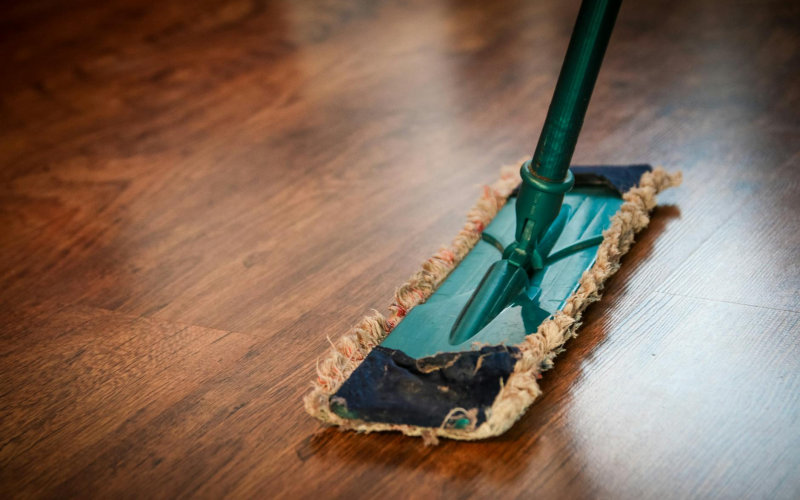
Photo by Pixabay on Pexels