
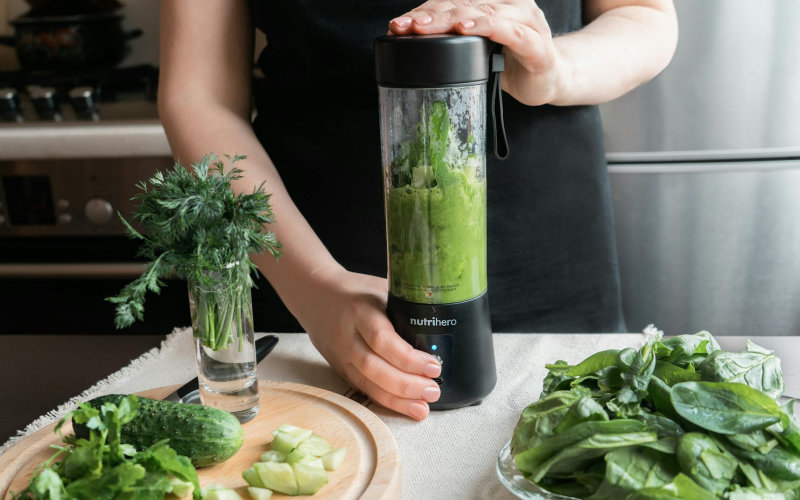

I’ve killed two juicers in three years. Both times, I stood in my kitchen staring at a pile of kale and cucumber thinking — okay, there has to be another way. And there is. Your blender handles this better than most people realize, and the cleanup is about 40% easier too.
Most green juice tutorials assume you own a $300 Breville or some Omega masticating machine. You don’t need either. What you actually need is a decent blender, a nut milk bag (or an old clean t-shirt — seriously, it works), and the right technique.
This isn’t some watered-down smoothie situation either. Done right, your finished drink is clear, vibrant green, genuinely juice-like. Let me walk you through exactly how.
What You’ll Need Before You Start
You need a blender — doesn’t have to be fancy. I’ve done this with a $45 Hamilton Beach and gotten solid results. You’ll also need a fine mesh strainer OR a nut milk bag (Amazon sells them for under $8). A large bowl, a pitcher, and a wooden spoon for pressing round out the setup.
That’s it. Nothing special.
The Best Ingredients for Green Detox Juice
Here’s a base ratio I’ve tested probably 50+ times: 2 cups of spinach or kale, 1 large cucumber, 2 stalks of celery, 1 green apple, half a lemon (peeled), and a 1-inch knob of fresh ginger.
Why this combo? Spinach blends smoother than kale, which makes straining faster. Cucumber is about 96% water, so it gives you volume without much effort. The apple adds just enough natural sweetness to keep things drinkable, and ginger covers that grassy edge that turns most people off their first green juice.
Want an anti-inflammatory boost? Add half an avocado — but blend it separately first. And a 2021 review published in Nutrients confirmed that ginger combined with leafy greens significantly increases antioxidant absorption compared to either ingredient consumed alone. Worth knowing.
How to Prep Your Ingredients
Wash everything. Non-negotiable. Then chop your cucumber and apple into rough 1-inch chunks — you don’t need precision here. Tear the spinach loosely. Peel your ginger with a spoon, because that trick removes the skin without wasting any of the flesh underneath.
Add your lemon last. Citrus can cause your greens to oxidize faster during blending. Small thing, but it makes a noticeable difference in color.
The Blending Process Step by Step
Liquid goes in first. About 1 to 1.5 cups of cold filtered water before anything else — this protects your motor and gets everything moving. Then pile in the softer stuff (spinach, cucumber), followed by the harder ingredients (apple, ginger, celery).
Blend on high for a full 60 seconds. Not 30. Sixty. You want complete breakdown of the cell walls so you pull maximum liquid out during straining. So don’t rush it.
How to Strain Without a Juicer
Set your mesh bag or fine strainer over a large bowl. Pour the blended mixture in slowly. Then squeeze — really squeeze — with your hands if you’re using a bag, or press firmly with a wooden spoon if you’re using a strainer.
This is the step that separates juice from smoothie. More pressure equals more liquid. I usually pull about 16 oz of finished juice from the ratios above.
Storing Your Green Juice
Drink it fresh if you can. But if you need to store it, fill a mason jar completely to the top (minimizes air exposure), seal it tight, and refrigerate. It stays good for roughly 48 hours. After that, nutrient content drops noticeably — a 2019 study from the University of California Davis found that fresh-pressed juices lose up to 45% of certain vitamins within 72 hours.
Bottom Line
Here’s something nobody tells you: the pulp you squeeze out isn’t waste. Mix it into veggie burger patties, stir it into soup stock, or freeze it in cubes for your next smoothie base. The blender method actually gives you MORE control over what happens to the fiber than any traditional juicer does — which makes the whole “blenders are inferior” argument kind of backwards when you think about it.
Frequently Asked Questions
Can I make green detox juice without straining it?
You can, but what you’ll end up with is a smoothie, not juice. The texture is completely different, and the fiber content changes how your body absorbs the nutrients. If pulp doesn’t bother you, skip straining. Your call.
Does blender-made green juice have less nutrients than juicer-made?
Honestly? Not significantly. Heat destroys nutrients — not blending friction. Cold blending preserves most of what matters. The gap between blender juice and centrifugal juicer juice is a lot smaller than supplement companies want you to believe.
What’s the best green for a beginner’s detox juice?
Start with spinach. Always spinach. Kale has a sharper, more bitter bite that takes some getting used to, and spinach blends into near-invisibility flavor-wise. Once your palate adjusts after a week or two, start layering kale in gradually.
How often should I drink green detox juice?
Most nutritionists suggest treating it as a supplement, not a meal replacement. Once daily alongside a balanced diet is where most research lands for noticeable benefits. And don’t skip actually chewing real food — your gut needs that mechanical work.
Photo by Natalie Bond on Pexels