
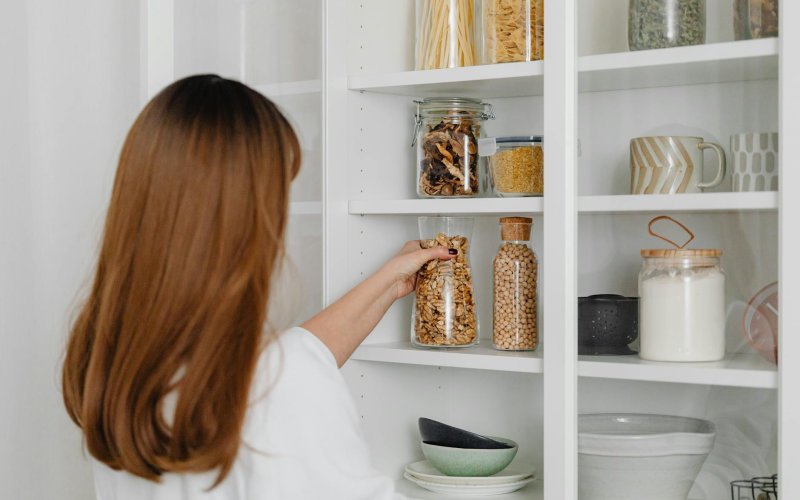

I’ve reorganized my kitchen cabinets four times in twelve years. Four times. And every single time—before I finally figured this out—I’d end up either tossing something I desperately needed three weeks later, or keeping so much “just in case” stuff that nothing actually changed.
Most decluttering advice is written by people who either own almost nothing or feel zero emotional attachment to their belongings. Real kitchens don’t work like that. You’ve got your grandmother’s casserole dish in there. The weird fondue pot from 2019 that you did, honestly, use once. The seventeen spatulas that somehow multiplied on their own.
So this isn’t minimalism theater. This is about getting your cabinets functional without the gut-wrenching fear of tossing something you’ll regret later.
Start With a Full Audit Before You Touch Anything
Seriously. Don’t skip this.
Pull everything out of one cabinet at a time—not the whole kitchen at once, unless you enjoy standing in chaos—and lay it on your counter or kitchen table. All of it. Every lid, every mystery gadget, every single thing.
I started doing this in 2021 after reading about a method used by professional organizer Shira Gill, who suggests categorizing items before making any keep-or-toss decisions. It changed everything for me. When you can physically see that you own six wooden spoons simultaneously, the decision kind of makes itself.
Write down what you have. Actual categories: baking equipment, everyday cookware, specialty tools, lids (always a disaster zone), appliances, storage containers. Knowing what’s actually there is half the battle.
The “Last 18 Months” Test (With One Exception)
Here’s the rule I actually use: if you haven’t touched something in the last 18 months, it goes in the “questionable” pile. Not the trash. The questionable pile.
But here’s the exception nobody mentions—seasonal and occasion-specific items don’t follow this rule. Your turkey roasting pan gets used once a year. Your Thanksgiving casserole dish, same deal. A 2022 survey by the National Kitchen and Bath Association found that 68% of people who decluttered without accounting for seasonal use ended up re-buying those exact items within two years. That’s real money, thrown away twice.
So create a separate box or shelf just for seasonal items. Label it. Date it. That roasting pan earns its spot because you know precisely when you’ll need it again.
Stop Duplicating Before You Discard
Before you throw anything out, ask yourself: do I have two of these doing the same job? That’s your actual clutter. Not the fondue pot. The four nearly-identical vegetable peelers.
In my kitchen, I found three box graters. Three. I kept the stainless steel OXO one I bought in 2020 and donated the other two. That move freed up more space than any full purge I’d attempted before—and I didn’t have to agonize over whether I needed a grater at all. Of course I do. Just not three of them.
This approach protects you from the regret cycle. You’re not discarding a whole category of tool. You’re right-sizing your collection of it.
The Container Method for Things You’re Unsure About
For stuff you genuinely can’t decide on, use the container method. Put uncertain items in a labeled box with today’s date, stick it in a closet or basement, and give yourself exactly 90 days.
If you open that box before 90 days are up because you actually needed something—great, it goes back in the cabinet. If 90 days pass and you forgot the box existed? You have your answer, and you didn’t have to make a painful snap decision to get there.
I’ve been recommending this to friends since 2022 and the response is consistent: people feel way less anxious about decluttering when there’s a genuine safety net built in. It’s not hoarding. It’s just a waiting room for your stuff.
Rethink What “Storing” Actually Means
A lot of cabinet clutter isn’t really about owning too much. It’s about storing things in the wrong place, or the wrong way.
Pot lids, for example—the number one cabinet space-killer in most kitchens. A vertical lid organizer (you can find a decent one on Amazon for around $15) turns a chaotic pile into a neat column. Same principle with baking sheets and cutting boards. Stand them vertically in a cabinet slot and you immediately reclaim horizontal space you didn’t know you had.
Think about frequency of use, too. Things you grab every single day should live at eye level or within easy reach. The roasting pan goes on the top shelf or in a lower cabinet you rarely open. It sounds obvious, but most people organize by what fits rather than by how they actually cook.
What to Do With the “Good Stuff” You Won’t Use
This is the emotionally hard part. The stuff with stories attached.
Your grandmother’s casserole dish. The crystal wine glasses from your wedding. The Le Creuset your mom gave you that’s honestly just too heavy to lift anymore. These things don’t belong in your daily-use cabinets. But they don’t belong in the trash either.
Give them real homes. A high cabinet specifically for “precious but occasional” items. A display shelf in the dining room. Or—and I know this feels strange—pass them to someone in the family who will actually cook with them. My aunt has my grandmother’s pie plates now. She uses them every Sunday. That’s genuinely better than them sitting behind my pasta pot for another decade collecting dust.
The Maintenance System That Keeps It From Getting Messy Again
Decluttering once doesn’t work if you don’t build a small habit around it.
I do a ten-minute cabinet check every six months. One cabinet at a time, usually while waiting for something to boil. I’m not looking for a major overhaul—just checking whether anything snuck in that doesn’t belong, or whether something I kept six months ago has still never been touched.
And then there’s the one-in-one-out rule. Buy a new pan? Something else needs a new home. This isn’t rigid minimalism—it’s just math. Cabinet space is finite. Your cooking life shifts over the years, and your cabinet contents should reflect who you actually are now, not who you were in 2015 when you were really into juicing.
Bottom Line
Here’s something I haven’t seen anyone else say directly: kitchen decluttering fails most often not because of sentimentality or laziness, but because people are trying to solve a storage problem when they actually have a decision-fatigue problem. Every item you own demands a micro-decision every time you open that cabinet door. The goal isn’t to own less—it’s to reduce the number of decisions your kitchen forces on you each day. A cabinet full of things you genuinely use, stored where your hands naturally reach for them, is worth more than an empty cabinet you’re afraid to fill.
Frequently Asked Questions
How do I declutter kitchen cabinets without discarding essentials I might need later?
Use the 90-day container method. Put unsure items in a labeled box with a date, and store it outside the kitchen. If you don’t retrieve anything from it within 90 days, you’ve got clear evidence those items aren’t essential to your daily life.
How many pots and pans does a household actually need?
Most cooking experts—including J. Kenji López-Alt in his 2022 book recommendations—suggest a household of 1-4 people genuinely needs about 3-5 pieces: a large pot, a medium saucepan, a 10-inch skillet, a 12-inch skillet, and maybe a Dutch oven. Anything beyond that should justify its own existence.
What do I do with kitchen items that have sentimental value but no practical use?
Don’t put them in your working cabinets. Create a dedicated “memory shelf” or pass them to a family member who’ll actually cook with them. Letting someone else’s hands give those items a working life is genuinely better than keeping them in storage indefinitely.
How often should I go through my kitchen cabinets?
Twice a year is plenty for most people. Once in January when you’re already in reset mode, and once in late summer before the holiday cooking season hits. Ten minutes per cabinet is enough—as long as you’re doing it consistently.
Photo by www.kaboompics.com on Pexels