

I’ve lived in three different houses with notoriously hard water. Phoenix, Arizona. Then a suburb outside Denver. Then right here where I am now in central Texas — and every single one of those shower doors looked like someone had sneezed calcium on them within weeks of moving in.
You know that chalky, filmy, almost foggy buildup that makes your glass look permanently dirty even right after you’ve cleaned it? That’s mineral deposit residue — mostly calcium carbonate — and it bonds to glass surfaces over time. The longer you ignore it, the harder it gets to shift. Trust me on that one.
The good news? You almost certainly have everything you need sitting in your kitchen right now. No trip to the hardware store. No $18 bottle of CLR (though CLR does work, I’ll give it that). Just two boring pantry staples that, when used the right way, actually dissolve that mineral crust right off your glass.
Why Hard Water Wrecks Glass Shower Doors
Hard water isn’t “dirty” water. It’s water with a high concentration of dissolved minerals — mainly calcium and magnesium — that get left behind every single time water evaporates off a surface. The U.S. Geological Survey estimated back in 2019 that roughly 85% of American homes deal with hard water. So this isn’t just your problem.
Glass shower doors are basically a trap for this stuff. Water hits the glass, runs down, evaporates, and leaves a thin mineral film. Do that 365 days a year and you’ve got a legitimate crust situation. The glass isn’t ruined. It just needs the right acid to break those mineral bonds.
That’s the key word: acid. Calcium carbonate is alkaline, which means it dissolves in the presence of an acid. And guess what two things are acidic and sitting in your pantry right now?
The Two Ingredients You Need
White distilled vinegar and baking soda. That’s it.
I know. You’ve probably heard this combo before for a dozen different cleaning jobs. But there’s actually a specific technique for shower glass that most people get wrong, and I’ll walk you through exactly what works versus what’s just making a fizzy mess.
White vinegar has a pH of around 2.4 — acidic enough to dissolve the calcium carbonate bonds that make up those stains. Baking soda (sodium bicarbonate) acts as a mild abrasive, giving you just enough gentle scrubbing power without scratching the glass. Used together in the right sequence, they’re surprisingly effective.
One important note: don’t use apple cider vinegar. The color can leave its own residue. Plain white distilled vinegar, the cheapest bottle at the grocery store, is exactly what you want.
What You’ll Need to Gather First
Before you start, pull these things together:
A spray bottle. A small bowl. White distilled vinegar. Baking soda. A soft microfiber cloth or a non-scratch sponge. Rubber gloves if your skin runs sensitive. And a dry towel for the finish.
That’s genuinely the whole supply list. I’ve tried this with paper towels instead of microfiber and it doesn’t work nearly as well — the cloth needs to hold onto the vinegar and keep it in contact with the glass long enough to matter.
Step-by-Step: How to Remove Hard Water Stains From Glass Shower Doors
Step 1: Warm up the glass.
Run your shower on hot for two or three minutes with the door closed. Don’t get in. Just let the steam warm the glass up. Warm glass is more receptive — the vinegar penetrates mineral deposits faster. This one step alone makes a noticeable difference.
Step 2: Apply the vinegar soak.
Pour undiluted white vinegar into your spray bottle and saturate the entire glass surface. Don’t be stingy — you want it dripping. Now here’s the part people skip: leave it for at least 10 to 15 minutes. Set a timer. The vinegar needs time to chemically react with the calcium. If you spray and immediately scrub, you’re mostly just spreading vinegar around.
Step 3: Make your baking soda paste.
While the vinegar is soaking, mix about three tablespoons of baking soda with just enough water to form a thick paste — roughly the consistency of toothpaste. You’re not combining the vinegar and baking soda at this stage. They’ll neutralize each other if you mix them directly, which is why this process uses them in sequence rather than simultaneously.
Step 4: Scrub with the paste.
Apply the baking soda paste directly onto the vinegar-wet glass using your microfiber cloth. You’ll get some fizzing. That’s fine — expected, actually. Work in small circular motions, focusing extra attention on the worst buildup areas, usually the bottom third of the door and around the edges where water pools. Spend about two minutes per section.
Step 5: Spray again and wipe.
Give the whole door another spray of vinegar, let it fizz for 30 seconds, then wipe everything down with a clean damp cloth. Rinse with warm water. Dry completely with your towel.
Dealing With Really Stubborn Buildup
Some stains have been sitting there for years. Literal years. If that’s your situation, one round won’t cut it.
For severe buildup, soak a few paper towels in straight vinegar, press them flat against the glass, and hold them in contact with the surface for a full 30 minutes. Then go ahead with the baking soda scrub. I’ve done this with doors that looked genuinely hopeless and gotten them back to nearly clear.
A 2021 review in the journal Corrosion Science confirmed that acetic acid (the active component in vinegar) effectively dissolves calcium carbonate scale at room temperature, though concentrated solutions and longer contact times yield significantly better results. So the soaking time actually matters. It’s not just patience theater.
How to Keep the Stains From Coming Back
Removal is great. Prevention is better. After every shower, take 30 seconds to squeegee the glass down. That’s honestly it. A basic squeegee costs $4 at most hardware stores and eliminates about 80% of buildup before it ever starts.
You can also apply a thin coat of Rain-X (yes, the car windshield product) to your shower glass about once a month. It creates a hydrophobic layer that makes water bead and roll off instead of sitting and evaporating. Weird tip. Works brilliantly.
Bottom Line
Here’s something I haven’t seen anyone else say about this: the real reason people fail with the vinegar-and-baking-soda method isn’t the ingredients — it’s the impatience. We’re conditioned to think cleaning products work on contact. They don’t, and neither does this. The chemistry needs dwell time. If you spray vinegar and wipe it off in 90 seconds, you’re not cleaning hard water stains, you’re just rearranging them.
Treat this like a marinating process, not a spraying process. Give the acid time to do actual molecular work on those mineral bonds, and you’ll be genuinely shocked at what two dollar-store pantry items can do to glass that looked like frosted privacy glass.
Frequently Asked Questions
Can I use lemon juice instead of white vinegar to remove hard water stains from glass shower doors?
Yes, lemon juice works because it contains citric acid, which also dissolves calcium carbonate. But it’s less practical — you’d need a lot of it, it’s more expensive, and the sugar content can leave a sticky film if not rinsed thoroughly. White vinegar is more consistent and a lot cheaper.
Will vinegar damage or etch my shower glass?
Standard soda-lime glass, which is what most shower doors are made from, handles short vinegar exposure just fine. Where you need to be careful is with natural stone tiles nearby — vinegar can etch marble or travertine. Keep the spray on the glass only, or tape off surrounding stone surfaces before you start.
How long do results typically last after cleaning?
That depends entirely on your water hardness and whether you squeegee after showers. In my experience, a thorough cleaning lasts two to four weeks before visible buildup returns in high-use showers. With daily squeegeeing, you can stretch that to two or three months easily.
What if my shower doors have a special coating or are treated glass?
Some premium shower enclosures — like those with Diamon-Fusion or ClearShield factory treatments — can actually be stripped by repeated acid exposure. Check with your shower door manufacturer before reaching for the vinegar. In those cases, a pH-neutral cleaner specifically designed for coated glass is worth the extra cost.
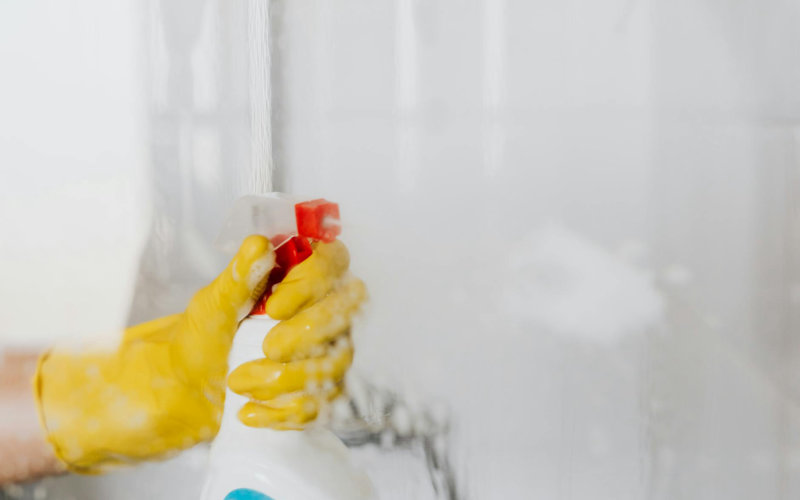
Photo by www.kaboompics.com on Pexels