

Here’s What Nobody’s Telling You
You’ve probably seen them. Those little white plugs promising to drive away mice, roaches, spiders, and ants using nothing but sound waves. They’re everywhere on Amazon — hundreds of reviews, four-star ratings, bold claims about “pest-free living.” I bought three of them back in 2022 for my apartment in Phoenix, convinced I’d found the smart, chemical-free solution. Spoiler: within six weeks, I found mouse droppings directly behind one of the units.
So do ultrasonic pest repellers actually work? The short answer is no. The longer answer involves understanding why millions of homeowners keep buying them anyway, what actually does work, and how you can handle a pest problem today using cheap tools and stuff you probably already have at home.
Why Ultrasonic Repellers Keep Failing (The Science Is Pretty Clear)
The Federal Trade Commission has sent warning letters to multiple ultrasonic device manufacturers — most notably back in 2001, and enforcement actions have continued since. The core problem is simple. There’s no credible, peer-reviewed evidence that sustained ultrasonic sound repels household pests at any frequency currently used in consumer devices.
Kansas State University researchers tested ultrasonic repellers against cockroaches in 2023 and found zero statistically significant reduction in pest activity near the devices. The pests just adapted. Mice and roaches don’t relocate because of annoying sounds — they’re driven by hunger, warmth, and safety. Those motivations beat a high-pitched hum every single time.
But here’s what really bothers me. These devices retail anywhere from $12 to $60 each, and most pest experts recommend buying multiple units per room. That adds up fast. American homeowners spent an estimated $340 million on ultrasonic pest products in 2025, according to a market research report from Statista. Most of that money accomplished nothing.
The Real Reason Pests Are Getting Into Your Home
Before you spend a dime on any pest control product, you need to understand why pests show up. They’re not random. They follow food, water, and entry points. That’s it. And fixing those three things is something you can do this weekend with basic tools.
Walk the perimeter of your home and look at where pipes enter your walls, where your dryer vent opens up, where your foundation meets your siding. Mice can squeeze through a gap the size of a dime. Roaches can flatten themselves through cracks you’d barely notice. And once you find those gaps, you can seal most of them with steel wool packed tightly, followed by caulk layered on top. A $6 tube of caulk from Home Depot and a $4 pad of steel wool will outperform any ultrasonic device, guaranteed.
Five Home Remedies That Actually Hold Up
Now here’s where things get practical. You don’t need a pest control company charging $180 per visit to handle most common infestations. These work.
Peppermint oil genuinely deters mice. Not permanently, but it buys time. Soak cotton balls in pure peppermint essential oil (not extract. get the real stuff) and stuff them into the gaps you find. Replace every two weeks. I’ve used this around my garage door and it noticeably reduced mouse activity between fall and winter last year.
Diatomaceous earth is probably the most underrated pest control tool available. It’s food-grade powder made from fossilized algae. Sprinkle it along baseboards, under appliances, and inside cabinet toe-kicks. It kills roaches, ants, and beetles by physically damaging their exoskeletons. A 4-pound bag costs about $14 on Amazon and lasts most homeowners a full year.
Boric acid bait stations beat every commercial roach spray I’ve ever tried. Mix boric acid powder with peanut butter, roll into small balls, and place them behind your refrigerator, under the stove, and inside cabinets. Roaches carry it back to the nest. Results typically show up within 10 days.
White vinegar spray breaks down the scent trails ants use to navigate. Wipe down your counters, cabinets, and entry points with a 50/50 white vinegar and water solution. It doesn’t kill ants, but it disrupts their communication and slows their return dramatically.
Snap traps remain the single most effective mouse control tool ever invented. Victor brand snap traps have been around since 1898 and nothing has beaten them. Use peanut butter as bait, set them perpendicular to the wall (mice run along edges, not across open space), and check them daily.
What to Do When the Problem Is Already Out of Hand
Sometimes you’re past the DIY remedies. If you’re seeing roaches in the daytime, that’s a sign of a serious infestation, because roaches are nocturnal and only emerge during daylight hours when populations get crowded. Same if you’re finding multiple mouse entry points and fresh droppings daily.
At that point, invest in gel bait products from professional brands. Advion Cockroach Gel Bait, which you can order online for about $25, uses indoxacarb and delivers results in 3 to 5 days. It’s the same active ingredient professional exterminators use. Apply small pea-sized dots in cracks and crevices, not large blobs. Less is more here.
For rodents at scale, consider calling a licensed pest control company for a one-time inspection and seal-up service, then maintain it yourself going forward. The average one-time rodent exclusion service runs $200 to $400 depending on your market, but it permanently closes the entry points that keep bringing pests back. That’s a better investment than 10 ultrasonic gadgets that don’t work.
Why the Ultrasonic Industry Keeps Growing Despite Failing
This is the uncomfortable part. These products sell because pest problems are stressful and people want an easy, invisible fix. Stick it in an outlet, forget about it, done. That psychological appeal is extremely powerful. And because pests naturally fluctuate with seasons, homeowners often credit the device when populations drop in winter, when that was going to happen anyway.
It’s also worth noting that Amazon reviews are notoriously unreliable for these products. Inflated ratings, incentivized reviews, and confirmation bias from buyers who desperately want the product to have worked all skew the numbers upward. Don’t make a pest control decision based on Amazon stars.
What I’d Actually Do If I Were Starting Over
Skip the ultrasonic devices entirely. Spend that $40 on a bag of diatomaceous earth, a box of snap traps, peppermint oil, and a caulk gun. Spend one Saturday afternoon finding and sealing every entry point you can locate. Then set bait stations and traps in the right locations.
That approach takes about three hours of your time and roughly $35 in materials. It works with actual biology instead of wishful thinking. And when you tackle the root causes, entry points, food sources, moisture. you’re not just reacting to pests; you’re making your home genuinely less hospitable to them long-term.
Final Thoughts
Ultrasonic pest repellers are, at best, an expensive placebo and, at worst, a reason homeowners delay actually solving their pest problem. The tools that work are unglamorous: steel wool, caulk, boric acid, diatomaceous earth, and a $4 snap trap. Use them. Your wallet and your pest-free home will thank you.
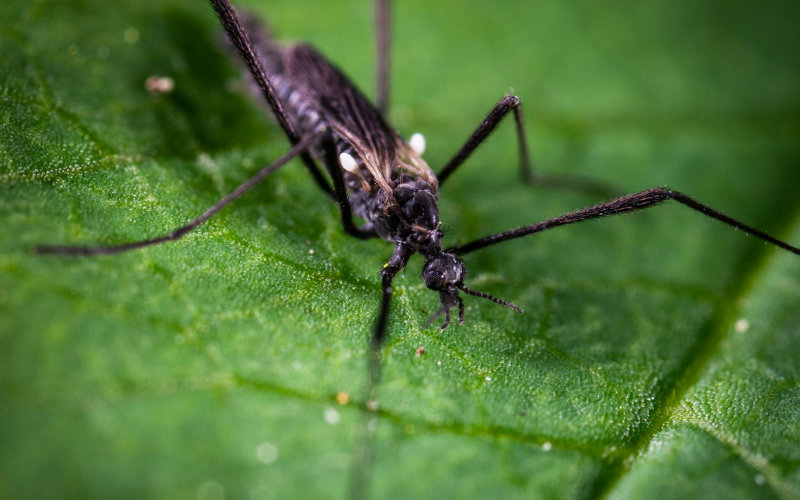
Photo by Egor Kamelev on Pexels